Indian rock art of the Columbia Plateau
|
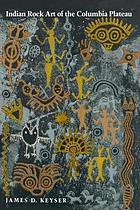
From the river valleys of interior British Columbia south to the hills of northern Oregon and east to the continental divide in western Montana, hundreds of cliffs and boulders display carved and painted designs created by ancient artists who inhabited this area, the Columbia Plateau, as long as seven thousand years ago. Expressing a vital social and spiritual dimension in the lives of these hunter-gatherers, rock art captivates us with its evocative power and mystery. At once an irreplaceable yet fragile cultural resource, it documents Native histories, customs, and visions through thousands of years. This valuable reference and guidebook addresses basic questions of what petroglyphs and pictographs are, how they were produced, and how archaeologists classify and date them. The author, James Keyser, identifies five regions on the Columbia Plateau, each with its own variant of the rock art style identifiable as belonging exclusively to the region. He describes for each region the setting and scope of the rock art along with its design characteristics and possible meaning. Through line drawings, photographs, and detailed maps he provides a guide to the sites where rock art can be viewed. In western Montana, rock art motifs express the ritualistic seeking of a spirit helper from the natural world. In interior British Columbia, rayed arcs above the heads of human figures demonstrate the possession of a guardian spirit. Twin figures on the central Columbia Plateau reveal another belief - the special power of twins - and hunting scenes celebrate successes of the chase. The grimacing, evocative face of Tsagiglalal, in lower Columbia pictographs, testifies to the Plateau Indians' "death cult" response to the European diseases that decimated their villages between 1700 and 1840. On the southeastern Plateau, images of horseback riders mark the adoption, after 1700, of the equestrian and cultural habits of the northwestern Great Plains Indians. Despite geographic differences in emphasis, similarities in design and technique link the drawings of all five regions. Human figures, animals depicting the numerous species known on the Plateau, geometric motifs, mysterious beings, and tally marks, whether painted or carved, appear throughout the Columbia Plateau |
| Author(s): | James D. Keyser |
| Document: | Book · Paperback · CIRC [ 0 ] |
| Edition: | 1st Edition |
| Published: | 1992 |
| Physical Description: | 139 pages : illustrations, maps ; 26 cm |
| Genre: | |
| Notes: | "A Samuel and Althea Stroum book." |
| Contents: | PrefaceIntroductionThe Columbia Plateau and Its ArtistsWestern Montana: The Eastern Columbia Plateau--Images of Forgotten DreamsBritish Columbia--Rayed Arcs: A Distinctive MotifThe Central Columbia Plateau--Twins: The Duality of Life --The Magic of the HuntThe Lower Columbia--She Who WatchesThe Southeastern Columbia Plateau: Hells Canyon and Central Idaho--The Horse Brings a New Way of LifeRock Art Sites Developed for the PublicConclusions--Of Irish Monks and Ancient AstronautsGlossaryBibliographyIndex |
| Subjects: | Antiquities, Art pariétal Amérique du Nord Columbia, plateau de la, Columbia Plateau Antiquities, Columbia, Plateau de la Antiquités, Columbia, plateau de la, Columbiaplateau, Felsbild, Indian art, Indian art Columbia Plateau, Indianer, Indians of North America Antiquities, Indians of North America Columbia Plateau Antiquities, Indiens Amérique |
Circulation
Here are a list of places where this title can be found and the various formats it can be found in.
| Collection | Resource | Available | Edition | Published | Publisher |
|---|---|---|---|---|---|
| This title is not currently available in digital format online. | |||||
Last updated: 2025-02-10