Waiilatpo (historical) Walla Walla County, Washington
Mapped Location
Waiilatpo (historical): The mapped location is an approximation and should not be used for navigation or wayfinding.
Information
General information on Waiilatpo (historical)
- Feature Type: Place
Official, historical, colloquial and alternative toponyms for Waiilatpo (historical)
A brief list of names that this geographic feature has been named
| Name | Description |
|---|---|
| Waiilatpo (historical) | Official |
Origin Notes and History of Waiilatpo (historical)
References to Waiilatpo (historical) that document the origin of its place name
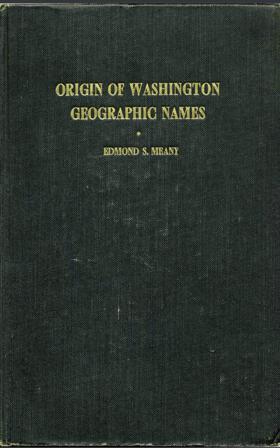
WAIILATPTU, site of the famous Whitman Mission near the present city of Walla Walla, was named for the Indian word meaning "place of rye grass." (H. H. Bancroft, Works, Volume XXIX., page 118, note 14.)
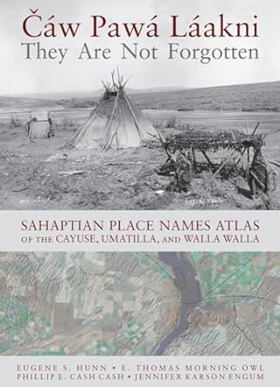
Weyíilet [Cayuse Nez Perce] 'place of waiving grass'. Near Whitman Mission Historical Park, within the city limits of Walla Walla, Washington. This name has often been interpreted to mean 'place of rye grass' but names for rye grass in Sahaptin or Cayuse Nez Perce bear no resemblance to this term. It has also been interpreted by an elder as 'place of waiving grass'.
Related Catalog Titles
A Bibliography for Waiilatpo (historical), Walla Walla County, Washington
The Whitman Massacre by E. M. Saunders
Authored by E. M. Saunders, The Whitman Massacre provides a dramatic narrative account of the tragic 1847 attack on the Cayuse Indian mission at Waiilatpu by members of the Cayuse tribe, resulting in the deaths of Marcus and Narcissa Whitman and twelve others. The book explores the mounting racial tensions, cultural misunderstandings, and devastating epidemics—particularly measles—that fueled Indigenous resentment against encroaching American settlers. Drawing on historical documents and period accounts, the text examines how the missionary enterprise inadvertently triggered a catastrophic clash of worlds in southeastern Washington. A keen insight drawn from the work is how medical disparities served as the ultimate catalyst for frontier violence; because traditional Cayuse healing practices failed against introduced European diseases while white missionaries survived, the tribe perceived the plague as targeted biological warfare, turning a public health disaster into a fatal geopolitical flashpoint.
56 pages
CIRC [ 1 ]
Walla Walla County
- Adkins
- Ash
- Attalia
- Ayer
- Babcock
- Baker-Langdon
- Berryman
- Bolles
- Burbank
- Burbank Heights
- Buroker
- Burr
- Calhounville
- Chew
- Climax
- Clyde
- City of College Place
- Coppei
- Dixie
- Dixie Crossing
- Eastman
- Elwood
- Ennis
- Eureka
- Five Points
- Gardena
- Garrett
- Gilliam
- Hadley
- Harbert
- Harsha
- Harvey
- Hatch
- Humorist
- Hunt
- Kibler
- Kooskooskie
- Lamar
- Langdon
- Le Grow
- Lee
- Lowden
- Magallon
- Matthew
- Minnick
- Mojonnier
- Paddock
- Page
- Pedigo
- Pickard
- Port Kelley
- City of Prescott
- Reese
- Rifton
- Robinson
- Rulo
- Russell
- Ruxby
- Sapolil
- Scott
- Sheffler
- Slater
- Stateline
- Sudbury
- Thiel
- Thomas
- Tompkins
- Touchet
- Tracy
- Two Rivers
- Valley Grove
- Villard Junction
- Waiilatpo (historical)
- City of Waitsburg
- Walker
- City of Walla Walla
- Wallula
- Wallula Junction
- Welland
- Whitman
- Zangar Junction
Political Boundaries
Last updated: 2017-03-19