Thomas King County, Washington
Mapped Location
Thomas: The mapped location is an approximation and should not be used for navigation or wayfinding.
Information
General information on Thomas
- Feature Type: Place
Official, historical, colloquial and alternative toponyms for Thomas
A brief list of names that this geographic feature has been named
| Name | Description |
|---|---|
| Thomas | Official |
Origin Notes and History of Thomas
References to Thomas that document the origin of its place name
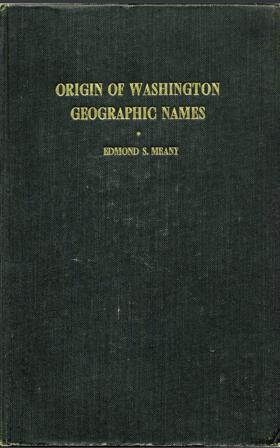
THOMAS, a small town in the southwestern part of King County, was named for John M. Thomas, earliest pioneer settler in the White River Valley. He was born in Nicholas County, Kentucky, on July 8, 1829. He crossed the plains in 1852 and in July, 1853, he came to the White River Valley. He participated in the Indian war of 1855-1856. He served as County Commissioner for the years 1857-8-9. (History of the Pacific Northwest: Oregon and Washington, Volume II., page 602.)
A Selected Bibliography of Thomas, King County, Washington
A compilation of essential readings detailing the history, geography, and culture of the region.
Farmlands the story of Thomas, a small agricultural community in King County, Washington by Stan Flewelling
Stan Flewelling’s Farmlands: The Story of Thomas, a Small Agricultural Community in King County, Washington chronicles the agrarian development, immigrant labor history, and spatial transformation of an unincorporated farming hamlet situated in the fertile White River Valley between Kent and Auburn. The narrative traces how late nineteenth-century pioneer homesteads, commercial hop yards, and dairy parcels were systematically superimposed over the rich alluvial floodplains, seasonal fisheries, and prairie openings traditionally stewarded by Southern Lushootseed-speaking peoples, particularly the ancestral Muckleshoot and Duwamish communities. Flewelling details the demanding logistical mechanics of valley farming, illustrating how annual river inundations, subsequent river channelization, and the construction of the Northern Pacific Railroad and Puget Sound Electric Railway (Interurban) enabled immigrant cultivators—most notably Japanese Issei and Nisei families—to establish highly productive truck-farming and berry operations despite discriminatory Alien Land Laws. Ultimately, the work captures the socio-economic evolution of the Puget Sound lowlands, demonstrating how intensive immigrant agrarian labor and regional rail infrastructure permanently reshaped an Indigenous riparian ecology into a market breadbasket before its eventual conversion into modern suburban and industrial distribution corridors.
137 pages : illustrations ; 22 cm
Non-circulating [ 1 ]
King County
- Adams
- Adelaide
- Adelaide
- City of Algona
- Alki
- Allentown
- Ames Lake
- Arcadia
- Ashwood
- Atkinson
- City of Auburn
- Avondale
- Bagley Junction
- Bandera
- Baring
- Barneston
- Bayne
- Bayne Junction
- Beacon Hill
- Beaumont
- Town of Beaux Arts Village
- City of Bellevue
- Belltown
- Belridge
- Benson Hill
- Berrydale
- Bethel Park
- Beverly Park
- Biloxi
- Birch
- Bitter Lake
- City of Black Diamond
- Blue Ridge
- Boddy
- Boise
- Boulevard Park
- Briarcliff
- Briarcrest
- Broadview
- Bryant
- Bryn Mawr
- Buenna
- City of Burien
- Burton
- Camelot
- Campton
- Carlton Park
- City of Carnation
- Cedar Falls
- Cedar Grove
- Cedar Mountain
- Cedar Park
- Cedarhurst
- Chautauqua
- Chelsea
- Cherokee Bay Park
- Christopher
- Clyde
- City of Clyde Hill
- Coal Creek
- Coalfield
- Columbia City
- Colvos
- Cottage Lake
- Cougar Hills
- Cove
- City of Covington
- Cowley
- Crossroads
- Cumberland
- Danville
- Day City (historical)
- Denny Creek
- Denny Regrade
- City of Des Moines
- Dilworth
- Dockton
- Dorre Don
- Dunlap
- Durham
- City of Duvall
- Duwamish
- East Hill
- East Renton Highlands
- East Seattle
- Eastland
- Echo Lake
- Edgewater (historical)
- Edgewick
- Elliott
- Ellisport
- Ellisville
- Endolyne
- City of Enumclaw
- Ernies Grove
- Evansville
- Evergreen
- Factoria
- Fairwood
- Fall City
- Fauntleroy
- City of Federal Way
- Feriton
- Fern Heath
- Firloch
- Five Corners
- Fortuna
- Foy
- Franklin
- Garcia
- Georgetown
- Glen Acres
- Glendale
- Green Lake
- Green River
- Gregory Heights
- Grotto
- Harbor Heights
- Harman Heights
- Hawthorne Hills
- Hazelwood
- Henrys
- High Point
- High Valley
- Highlands
- Highlands Park
- Highline
- Hillman City (historical)
- Hilltop
- Hobart
- Holly Park
- Hollywood
- Hollywood Hill
- Hongking (historical)
- Humphrey
- Town of Hunts Point
- Inglesea
- City of Issaquah
- Jovita
- Juanita
- Junction
- Kanaskat
- Kanaskat Junction
- Kangley
- Kenilworth
- City of Kenmore
- Kennydale
- City of Kent
- Kenwood
- Kerriston
- City of Kirkland
- Kitts Corner
- Klahanie
- Krain
- Kummer
- Lake Desire
- City of Lake Forest Park
- Lake Heights
- Lake Marcel
- Lake Morton
- Lake Park
- Lakeland
- Lakeridge
- Lakewood
- Lakota
- Landsburg
- Latona
- Latona (historical)
- Lavilla
- Lawton
- Lawtonwood
- Lemolo
- Lester
- Lisabeula
- Lowman Beach Park
- Luana Beach
- Lucerne
- Madrona
- Magnolia Beach
- Magnolia Bluff
- Manitou
- Mann
- Manzanita
- Maple Hills
- City of Maple Valley
- Maple Valley Heights
- Maplewood Heights
- Matthews Beach
- Maury
- May Creek
- Maywood
- McGilvara
- McMicken Heights
- McVan
- Meadowbrook
- City of Medina
- Mercer Heights
- City of Mercer Island
- Mercer Island Town
- Meridian
- Meridian Heights
- Metum
- Midlakes
- Mileta
- Miller River
- Mint Grove
- Mirror Lake
- Mirrormont
- Mirrormount Estates
- Montlake
- Moorland
- Moorlands
- Mount Baker
- Mount View
- Naco
- Nagrom
- Newaukum
- City of Newcastle
- Newport Hills
- Newport Shores
- Noble
- Nordrum (historical)
- City of Normandy Park
- North Beach
- City of North Bend
- North Broadway
- North College Park
- Northgate
- Northrup
- Novelty
- Olympic Hills
- One Hundred One Pines
- Orchard Grove
- Osceola
- Oskams Corner
- Overlake
- City of Pacific
- Page
- Palmer
- Palmer Junction
- Paramount Park
- Parkwood
- Phinney Ridge
- Pinehurst
- Pines
- Pleasant Hill
- Pontiac
- Portage
- Portage Bay
- Preston
- Raeco
- Ragnar
- Rainier Beach
- Rainier Valley
- Ravenna
- Ravensdale
- City of Redmond
- Redondo
- City of Renton
- Ridgecrest
- Riverbend
- Riverton
- Roanoke
- Rockdale
- Ronald
- Roosevelt
- Rose Hill
- Rosehilla
- Ross (historical)
- Roxbury Heights
- City of Sammamish
- Sand Point
- Seahurst
- City of SeaTac
- City of Seattle
- Selleck
- Seola Beach
- Seward Park
- Shawnee
- Shore Acres
- City of Shoreline
- Shorewood
- Town of Skykomish
- Skyway
- Snoose Junction
- City of Snoqualmie
- Snoqualmie Falls
- Snyders Corner
- Somerset
- South Park
- South Seattle
- Southern Heights
- Spring Beach
- Spring Beach
- Spring Glen
- Stampede
- Star Lake
- Stevens
- Stillwater
- Stuart
- Stuck
- Summerhurst
- Summit
- Sunnydale
- Sunset Village
- Tahlequah
- Tahoma
- Tamill
- Tanner
- The Highlands
- Thomas
- Timberlane
- Tokul
- Trude
- City of Tukwila
- University District
- University Village
- Upper Mill
- Upper Preston
- Van Asselt
- Vasa Park
- Vashon
- Vashon Heights
- Veazie
- Vermontville (historical)
- Victory Heights
- Wabash
- Wayne
- West Woodland
- White
- White Center
- Wilderness
- Willows
- Windermere
- City of Woodinville
- Woodridge
- Wynaco
- Town of Yarrow Point
- York
- Youngstown
- Zenith
Political Boundaries
Last updated: 2024-06-03