City of Seattle King County, Washington
Mapped Location
City of Seattle: The mapped location is an approximation and should not be used for navigation or wayfinding.
Information
General information on City of Seattle
- Feature Type: Incorporated
Official, historical, colloquial and alternative toponyms for City of Seattle
A brief list of names that this geographic feature has been named
| Name | Description |
|---|---|
| City of Seattle | Official |
| Seattle | Official |
| Tzee-tzee-lal-itch | Unofficial Lushootseed for 'little portage' referring to the trail to the large lake Washington - so much shorter than the circuitous river route. |
Origin Notes and History of City of Seattle
References to City of Seattle that document the origin of its place name

ALKI POINT, now a part of Seattle, in King County. The first name given this place was "Point Roberts" by the Wilkes Expedition, 1841. It is not clear just what man was sought to be honored. In the crews of the expedition there were four men bearing the name of Roberts - Abraham, Humphrey, Owen, and William. It may have been any one of them. Furthermore it may have been the diplomat, Edward Roberts, who had gained fame in the Orient a few years before. Although the name appeared on a number of early charts, it was supplanted by the first settlers who made their homes there. On November 18, 1851, the famous Denny colony landed on that point. In the party there were twelve adults and twelve children. From that colony has grown the city of Seattle. The settlers were very ambitious. They called the place "New York." As the one little store and the few cabin homes grew so slowly they added a hyphen and the Indian jargon word Alki, meaning "by and bye." New York-Alki meant that it was to become the metropolis of the Pacific Coast in the near future. When a majority of the settlers moved to the east shore. of Elliott Bay and began the city of Seattle, those remaining at the point dropped the name "New York," but Alki Point has remained as a well-established geographic name. For a time the Government charts showed this point as Battery Point. See entry under that name.
SEATTLE, on Elliott Bay, now Seattle Harbor, a part of Puget Sound. It is the metropolis of the State and county seat of King County. The colony of twelve adults and twelve children, from which the city has grown, landed at what is known as Alki Point on November 13, 1851. The winter was stormy at that point and on Februrary 15, 1852, A. A. Denny, W. N. Bell and C. D. Boren located and marked three claims on the east shore of the bay. On March 31, 1852, Dr. D. S. Maynard arrived and accepted the offer of the others to move their lines so as to give him an adjoining claim on the south. In October, 1852, Henry L. Yesler arrived, looking for a mill-site. Maynard and Boren adjusted their lines to accommodate him. The road leading from his mill became Mill Street, later changed to Yesler Way. Before this, Denny, Boren and Maynard agreed upon a plat and a name for the town. On May 23, 1853, Denny and Boren filed the first plat for the town of Seattle and later the same day Doctor Maynard filed his part of the plot. Chief Seattle, who was thus honored, had been friendly to the white settlers and remained so during the Indian war which followed in 1855-1856. (Arthur A. Denny:Pioneer Days on Puget Sound, pages 17-21.) Chief Seattle did not know his age. He died in 1866 when the pioneers estimated his age as eighty years. If this be true, he was a boy of six when Vancouver dropped anchor at Restoration Point on May 19, 1792, and the Suquamish Indians saw white men for the first time. Vancouver gives a graphic account of the Indians and their camp (Voyage Round the World, second edition, Volume II., pages 118-127.) While still a boy Seattle succeeded his father Schweabe as Chief of the Suquamish tribe and on attaining manhood he evidently was a thorough savage. The Hudson's Bay Company's daily record, known as the Nisqually Journal, contains frequent references to the Chief. The entry for September 30, 1835, says:
"This forenoon a quarrel took place between Ovrie and an Indian of the So qua mish tribe by name See alt or by us called La Gros. It is said he threatened Ovrie with his gun. This is the second time. I of course brought him to an account and told him that if ever he did so again I should not pass over the business so quietly. At best this fellow is a scamp and like Challacum [Steilacoom] a black heart ready to pick a quarrel."
The writer was Chief Trader at Port Nisqually. (The original manuscript journals of Fort Nisqually are in the possession of Thomas Huggins of Tacoma.) The entry for October 18, 1835, says a Skagit Indian' gave ten large beaver skins to "See yat" as a present to his daughter." In six entries for 1836 the name is spelled "See yat". The entry for December 6, 1837, says: "The Chief See yat has murdered an Indian doctor, much talk about the affair amongst the Soquamish tribe. I wish they would determine on shooting the villian." On January 9, 1838, the record says: "Challicum with a party of his Indians cast up, put a few skins in the store and then left us for a visit to the Saw aye waw mish to buy some articles for the death of a So qua mish shot by the villian See yat, the latter having got a gun from the Saw aye waw mish and with it committed murder." Seattle's people were good hunters. The Fort Nisqually record contains a summary for 1837, showing that of 555 large beaver, Seattle brought 68, 16 out of 141 small heaver, 37 out of 261 otter skins In this, his tribe was excelled only by the Skagits. The condemnatory entries cease after 1838. - For this there are two good reasons: The Puget Sound Agricultural Company, a subsidary of the Hudson's Bay Company, changed the nature of Fort Nisqually making it an agricultural and stock raising center; and Chief Seattle was baptized under the name of "Noah Sealth" by; a Catholitc missionary, probably Father Modeste Demers, who began work on Puget Sound in 1838. The futile attack on Fort Nisqually by Chief Patkanim of the Snoqualmie tribe in 1849 changed that warrior into a friend of the white people and must have had an influence for good on Chief Seattle as well. United States troops were brought to Puget Sound and Fort Steilacoom established that same year. (Edmond S. Meany: History of the State of Washington, pages 149-150.) Whatever the cause or causes, Seattle became the friend of the pioneers who settled in his neighborhood in 1851 and remained steadfast during the remaining fifteen eventful years of his life. The Chief was a large man, an impressive leader of his people. Among his other native talents, was that of oratory. Miss Emily Inez Denny, daughter of David T. Denny, has gleaned from the memory of her father and other pioneers anecdotes about Seattle's oratory. Dr. H. A. Smith, for whom Smith's Cove was named, told about the first arrival of Governor Isaac I. Stevens at Seattle in 1854. "The bay swarmed with canoes and the shore was lined with a living mass of swaying, writhing, dusky humanity, until Old Chief Seattle's trumpet-toned voice rolled over the immense multitude like' the reveille of a bass drum, when silence became as instantaneous and perfect as that which follows a clap of thunder from a clear sky." (Blazing the Way pages 362-363.) The grave of the old Chief remained unmarked until June 28, 1890, when Arthur A. Denny, Hillory Butler, Samuel L. Crawford and other pioneers placed over it a large marble cross seven feet high. (Frank Carison: Chief Seattle, page 30.) The religious letters "I. H. S." are entwined with ivy. Two sides of the monument bear inscriptions: "Seattle, Chief of the Suquamps and Allied Tribes, Died June 7, 1866. The Firm Friend of the Whites, and for Him the City of Seattle was Named by Its Founders." "Baptismal name, Noah Seaith. Age probably 80 years." The grave is at Suquamish, Port Madison Bay, Kitsap County,, near the famous long-house home of the Chief. The spelling of the name has been much discussed. The different forms arose from the difficulty in catching the gutteral pronunciation by the Indians. In addition to the above instances, it may be cited that in 1853, Theodore Winthrop wrote it "Se-at-tlh." (The Canoe and the Saddle, J. H. Wlliams edition, page 32.) In 1858, the United States Coast Survey wrote it "Se-at-ti." (Annual Report for 1858, page 446.) The more euphonious spelling on that first pioneer plat has persisted. The Indians' own name for the place was "Tzee-tzee-lal-itch," meaning "little portage," and referring to the trail to the large lake Washington--so much shorter that the circuitous river route. (Charles M. Buchanan, of Tulalip, in Names MSS. Letter 155.) Frederic James Grant has recorded the origin of the city's "pet" name as follows: "The summer of 1883 was distinguished by the arrival of many people of note, from both far and near. General Sprague and John Muir, of the Northern Pacific, addressed Seattle as the Queen City of the Sound." (History of Seattle, page 167.) The city's rapid growth in recent years has resulted in its merging with, a number of suburbs, such as Fremont on the north shore of Lake Union. See Alki Point, Ballard, Columbia, Fauntleroy Cove, Georgetown, Latona, and Ravenna Park.
Related Catalog Titles
A Bibliography for City of Seattle, King County, Washington
Seattle in the Great Depression a history of business, labor, and politics drawn from local chronicles by Bruce A. Ramsey
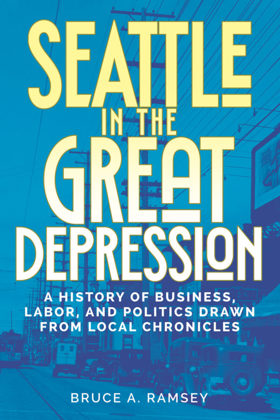
Capturing stories from Seattle newspapers and other sources, this narrative history traces a turbulent decade that scarred a generation and defined years of policy and culture—from the city’s real estate depression, savings and loan failures, and waterfront Hooverville, to its political fights over unemployment assistance, intense business rivalries, union growth, and more.
260 pages, illustrations, notes, bibliography
CIRC [ 0 ]
Seattle Walks Discovering History and Nature in the City : Discovering History and Nature in the City by David B. Williams
One of America's most walkable cities, Seattle rewards urban trekkers with expansive scenery and architectural and historical riches. The second edition of this acclaimed guidebook offers eithteen walks chosen for interest and easy accessibility. Williams's compelling stories bring the city to life, revealing often-overlooked details of Seattle's past and present.
304 Pages, 5.5 x 7.5 in, 54 color illus., 33 b&w illus., 19 maps
CIRC [ 0 ]
Elise Olmstead the myth and mystery of Seattle's "Queen of the Bootleggers" by Albert Gidari

This is the first book to look at the life and times of Elise Olmstead, wife of Roy Olmstead, Seattle's notorious "Gentlman Bootlegger." The newspapers crowned her Seattle's "Queen of the Bootleggers" during Prohibition and she became an endless object of fascination, speculation and interest for reporters. It sold newspapers. But what was myth and what was merely mystery? Did she leave behind a dark secret when she came from England to Canada? Did she illegally enter the U.S.? Was she an informer for Prohibition agents before she married, or, did she become the brains of Roy's business after? Was it true that she used her radio show to send coded messages to Roy's rum-running ships while reading bedtime stories for children over the air? Who was the real Elise? On trial with Roy and dozens of her cohorts for violating Prohibition laws, she was acquitted, but Roy went to jail for four years. How did she survive? Why didn't their marriage last? This is the true story of an independent woman, ahead of her time, an entrepreneur running a radio station and bringing live orchestra music to the airwaves. An intensely private and secretive person, Elise's story has never been fully or accurately told until now. back cover
280 pages, 18 pages of plates (pages 80-97) : black and white portraits, facsimiles, photographs ; 23 cm
CIRC [ 0 ]
Rising tides and tailwinds the story of the Port of Seattle by Casey McNerthney , Kit Oldham , Peter Blecha
"A century ago, Seattle was held hostage by its own waterfront. Competing railroad companies built a chaotic sprawl of rail lines, docks, and warehouses along the shoreline of Elliott Bay, creating conditions so bad that visionary civic planner Virgil Bogue called the harbor side "a blot on the city and a menace to the lives of its people." After years of bickering and lawsuits, the 1911 Port District Act was passed, making the Port of Seattle the first public port formed under legislation. The new public seaport briefly became the second busiest in the country during World War I. In the 1940s the Port of Seattle agreed to provide civilian air services by building Seattle-Tacoma International Airport, which today serves millions of passengers per year. This new edition covers the innovative Northwest Seaport Alliance, created in 2015 with the Port of Tacoma to jointly operate commercial shipping out of two harbors; the rise of cruise ship travel and the accompanying economic boom; Sea-Tac’s responses to 9/11 and the Covid-19 pandemic; and the airport’s growth and new International Arrivals Facility. Revised and updated, this new edition brings the story of the Port of Seattle up to the present and marks the seventy-fifth anniversary of Seattle’s bustling international airport." -- Provided by publisher
168 pages : illustrations (chiefly color), maps ; 27 cm
CIRC [ 0 ]
Tent City, Seattle refusing homelessness and making a home by Tony Sparks

Transforms our understanding of being unhoused in the United States. Tent City 3 provides Seattle’s unhoused people with a place to create and sustain not just shelter but a home. In 2000 it became one of the first organized, peer-operated tent encampments in the city, a type of community that has become more common throughout the West Coast and the United States in the intervening years. Based on groundbreaking participatory research and interviews, this book explores the lives of Tent City 3’s residents and their efforts to reclaim dignity, freedom, and the deep human connection to one’s own space. Tent City 3 upends stereotypes of homelessness by being a self-managed, self-governing, and largely self-supporting community of informal housing. Residents enact ongoing and relational homemaking practices that challenge widely accepted notions of private and public, self and other, and home and homeless. Tony Sparks reveals how small tasks undertaken in Tent City 3 contribute to a larger process of homemaking through practices of care, collectivity, and the creation of a commons. He also shows how the encampment’s residents refuse the normative boundaries of private property to create and sustain a sense of home and resist the ongoing settler colonialism that justifies their exclusion. Brimming with insightful analysis and rich storytelling, Tent City, Seattle dispels myths about homelessness while placing the issue within the arc of American history.
viii, 181 pages : illustrations ; 23 cm
CIRC [ 0 ]
Skid Road on the frontier of health and homelessness in Seattle by Josephine Ensign
Affluent Seattle has one of the highest numbers of unhoused people in the United States. In 2021 an estimated 40,800 people experienced homelessness in Seattle and King County during the year, not counting the significant number of "hidden" homeless people doubled up with friends or living in and out of cheap hotels. In Skid Road Josephine Ensign uncovers the stories of overlooked and long-silenced people who have lived on the margins of society throughout Seattle's history. How, Ensign asks, has a large, socially progressive city like Seattle responded to the health and social needs of people marginalized by poverty, mental illness, addiction, racial/ethnic/sexual identities, and homelessness? Through extensive historical research, Ensign pieces together the lives and deaths of those not included in official histories of the city. Drawing on interviews, she also shares a diversity of voices within contemporary health and social care and public policy debates. Ensign explores the tensions between caregiving and oppression, as well as charity and solidarity, that polarize perspectives on homelessness throughout the country
288 pages, 10 unnumbered pages of plates : illustrations (black and white) ; 23 cm
CIRC [ 0 ]
New heights transforming Seattle's iconic Space Needle by Olson Sundberg (Firm) , Olson Kundig (Firm)
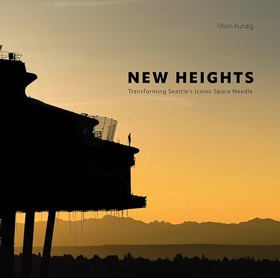
Originally built for the 1962 World's Fair, the Space Needle quickly became an international icon of the Pacific Northwest and a symbol of Seattle. At the time of its construction, the tower pointed the way toward the future with a sense of optimism, possibility, and invention. In its 55th year, the Space Needle is again representing an enhanced future with the Century Project, a holistic renovation of the upper levels led by Olson Kundig that repositions the iconic tower for its next fifty years. 'New Heights: Transforming Seattle's Iconic Space Needle' documents this latest chapter of the Space Needle's story with an in-depth look at the innovations, challenges, and triumphs realized by the client and project team, as seen through the eyes of the architects
191 pages : chiefly color illustrations ; 26 cm
CIRC [ 0 ]
Seattle from the margins exclusion, erasure, and the making of a Pacific Coast city by Megan Asaka
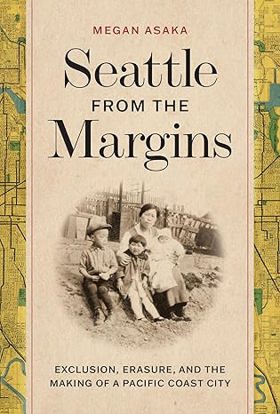
From the origins of the city in the mid-nineteenth century to the beginning of World War II, Seattle's urban workforce consisted overwhelmingly of migrant laborers who powered the seasonal, extractive economy of the Pacific Northwest. Though the city benefitted from this mobile labor force—consisting largely of Indigenous peoples and Asian migrants—municipal authorities, elites, and reformers continually depicted these workers and the spaces they inhabited as troublesome and as impediments to urban progress. Today the physical landscape bears little evidence of their historical presence in the city. Tracing histories from unheralded sites such as labor camps, lumber towns, lodging houses, and so-called slums, Seattle from the Margins shows how migrant laborers worked alongside each other, competed over jobs, and forged unexpected alliances within the marine and coastal spaces of the Puget Sound. By uncovering the historical presence of marginalized groups and asserting their significance in the development of the city, Megan Asaka offers a deeper understanding of Seattle's complex past. Seattle from the Margins was made possible in part by a grant from 4Culture’s Heritage Program.
x, 258 pages : illustrations, maps 24 cm.
CIRC [ 0 ]
The river that made Seattle a human and natural history of the Duwamish by B. J. Cummings
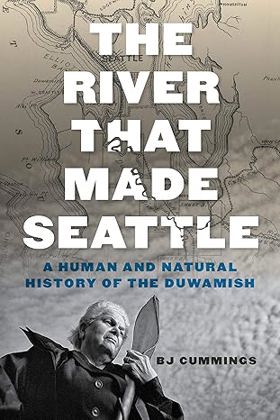
"With bountiful salmon and fertile plains, the Duwamish River has drawn people to its shores over the centuries for trading, transport, and sustenance. Chief Se'alth and his allies fished and lived in villages here and white settlers established their first settlements nearby. Industrialists later straightened the river's natural turns and built factories on its banks, floating in raw materials and shipping out airplane parts, cement, and steel. Unfortunately, the very utility of the river has been its undoing, as decades of dumping led to the river being declared a Superfund cleanup site. Using previously unpublished accounts by Indigenous people and settlers, BJ Cummings's compelling narrative restores the Duwamish River to its central place in Seattle and Pacific Northwest history. Writing from the perspective of environmental justice-and herself a key figure in river restoration efforts-Cummings vividly portrays the people and conflicts that shaped the region's culture and natural environment. She conducted research with members of the Duwamish Tribe, with whom she has long worked as an advocate. Cummings shares the river's story as a call for action in aligning decisions about the river and its future with values of collaboration, respect, and justice."-- Provided by publisher
xiv, 222 pages : illustrations, maps ; 24 cm
CIRC [ 0 ]
Seattleness a cultural atlas by Tera Hatfield , Jenny Kempson , Natalie Ross , Timothy R. Wallace
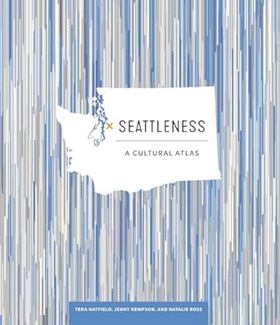
"This visually rich cultural atlas of Seattle explores the mercurial nature of place through the lens of one of the fastest growing cities in America. Through both experiential and data-driven cartography, Seattleness lends itself to longtime residents, newcomers to the city, and those curious about the moody borough that has brought us airplanes, grunge, gourmet coffee, and e-commerce. In the style of Infinite City and Portlandness, this illustrated book examines an expansive range of topics from UFO sightings to pinball legacies, gray skies to frontier psychology, strong women and strong coffee. Compelling infographic visuals emerge from deep dives into data, unraveling over 50 real and strange narratives about the green metropolis perched at the edge of the Salish Sea"-- Provided by publisher
xi, 175 pages : illustrations (some color), maps ; 26 cm
CIRC [ 1 ]
Chief Seattle and the town that took his name the change of worlds for the native people and settlers on Puget Sound by David M. Buerge
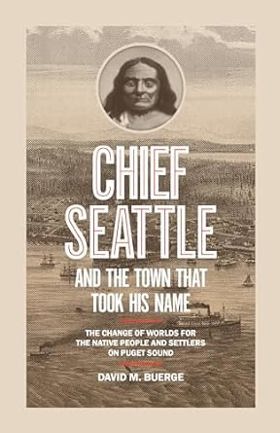
"When the British, Spanish, and then Americans arrived in the Pacific Northwest, it may have appeared to them as an untamed wilderness. In fact, it was a fully settled and populated land. Chief Seattle was a powerful representative from this very ancient world. Historian David Buerge has been researching and writing this book about the world of Chief Seattle for the past 20 years. Buerge has threaded together disparate accounts of the time from the 1780s to the 1860s--including native oral histories, Hudson Bay Company records, pioneer diaries, French Catholic church records, and historic newspaper reporting. Chief Seattle had gained power and prominence on Puget Sound as a war leader, but the arrival of American settlers caused him to reconsider his actions. He came to embrace white settlement and, following traditional native practice, encouraged intermarriage between native people and the settlers, offering his own daughter and granddaughters as brides, in the hopes that both peoples would prosper. Included in this account are the treaty signings that would remove the natives from their historic lands, the roles of such figures as Governor Isaac Stevens, Chiefs Leschi and Patkanim, the Battle at Seattle that threatened the existence of the settlement, and the controversial Chief Seattle speech that haunts to this day the city that bears his name."--Provided by publisher
xxv, 325 pages : illustrations, maps ; 23 cm
CIRC [ 1 ]
Too high and too steep reshaping Seattle's topography by David B. Williams
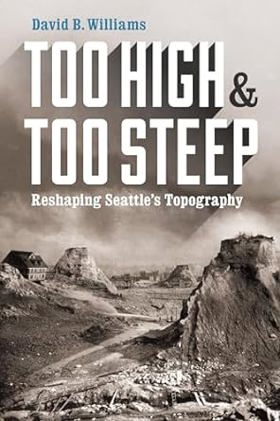
In Too High and Too Steep, David B. Williams uses his deep knowledge of Seattle, scientific background, and extensive research and interviews to illuminate the physical challenges and sometimes startling hubris of these large-scale transformations, from the filling in of the Duwamish tideflats to the massive regrading project that pared down Denny Hill. Residents and visitors in today’s Seattle would barely recognize the landscape that its founding settlers first encountered. As the city grew, its leaders and inhabitants dramatically altered its topography to accommodate their changing visions. In Too High and Too Steep, David B. Williams uses his deep knowledge of Seattle, scientific background, and extensive research and interviews to illuminate the physical challenges and sometimes startling hubris of these large-scale transformations, from the filling in of the Duwamish tideflats to the massive regrading project that pared down Denny Hill. In the course of telling this fascinating story, Williams helps readers find visible traces of the city’s former landscape and better understand Seattle as a place that has been radically reshaped.
xxii, 239 pages : illustrations, maps ; 24 cm
CIRC [ 1 ]
Seattle & King County. Volume III gateway to the Pacific Northwest by Troy Wolff
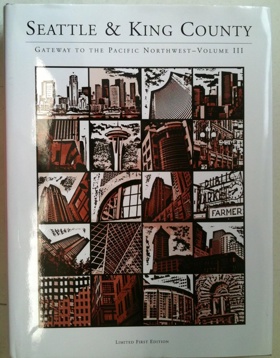
Published in 2008 and edited by Judith Gouldthorpe, Troy Wolff’s Seattle & King County: Gateway to the Pacific Northwest—Volume III offers a richly illustrated local history chronicling the modern development, neighborhoods, and civic milestones of Washington's most populous region. The volume combines historical overviews with localized profiles of communities, businesses, and prominent figures who shaped the greater Puget Sound area at the turn of the 21st century. Through its extensive photographic archives and narrative vignettes, the book documents how a timber-and-shipping outpost evolved into a major global metropolitan hub. A keen insight drawn from the text is how contemporary regional histories often function as curated civic time capsules, consciously celebrating corporate and community achievements while neatly glossing over the socio-economic tensions and gentrification pressures accompanying rapid urban expansion.
296 pages : illustrations (some color) ; 31 cm
CIRC [ 1 ]
Madison Park remembered by Jane Powell Thomas
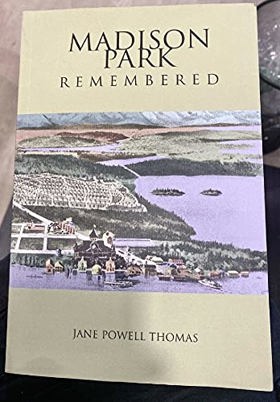
Published in local editions by Jane Powell Thomas, Madison Park Remembered captures the intimate neighborhood history and evolution of one of Seattle’s most historic lakeside communities. The book traces the area's transformation from a native transit route and late 19th-century recreational resort accessible by cable car into a vibrant residential enclave nestled along the shores of Lake Washington. Through a rich collection of archival photographs and personal reminiscences, the text preserves the vanishing daily rhythms of neighborhood cottages, local parks, and lakeside streetcar culture. A keen insight drawn from the work is how urban lakeside neighborhoods function as historical micro-ecosystems; by tracking how a recreational getaway morphed into an affluent urban suburb, the narrative reveals how Seattle's rapid geographic expansion was fundamentally propelled by the public desire to escape industrial city life while still retaining metropolitan proximity.
170 pages : illustrations, maps ; 23 cm
CIRC [ 1 ]
Seattle's totem poles by Viola E. Garfield
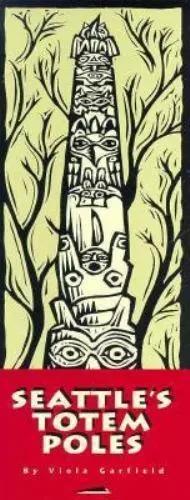
This book tells the history of the Seattle Totem Pole, located in Pioneer Square, including its abduction from its Tlinglit village by Seattle businessmen. The present cedar pole is a duplicate of the original, which was taken down after suffering damage from age and vandals. The book's second section explains Northwest Indian symbols used in poles and carvings seen around the area. Descriptions and photos of several area totem poles are included along with maps showing where other totem poles are located in the Greater Seattle area.
64 pages : illustrations, maps ; 28 x 11 cm
CIRC [ 1 ]
The pioneers of Lake View a guide to Seattle's early settlers and their cemetery by Robert L. Ferguson
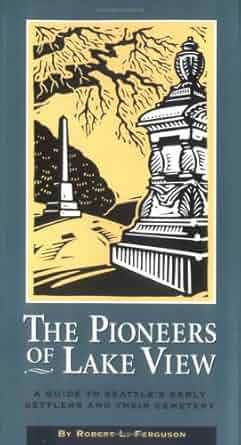
Authored by regional historian Robert L. Ferguson, The Pioneers of Lake View: A Guide to Seattle's Early Founders and Their Cemetery provides a compelling biographical and historical tour of Lake View Cemetery, the final resting place for many of the Emerald City's most prominent 19th-century figures. The book connects the physical monuments and headstones to the turbulent lives of the lumber barons, politicians, and ordinary settlers who laid the foundational infrastructure of frontier Seattle. Through meticulous research into pioneer genealogies, the text unearths the personal triumphs and tragedies hidden beneath manicured urban turf. A keen insight drawn from the work is how historic urban cemeteries function as subterranean archives of class stratification and civic myth-making; by examining who was granted prominent burial plots versus who was relegated to unmarked ground, the book reveals how city founders carefully engineered their own posthumous legacies to sanitize the brutal corporate ruthlessness of early Pacific Northwest capitalism.
119 pages : illustrations ; 20 cm
CIRC [ 1 ]
Queen Anne, community on the hill by Kay Frances Reinartz
Published in local editions by Kay Frances Reinartz, Queen Anne: Community on the Hill chronicles the rich neighborhood history and architectural evolution of one of Seattle’s most prominent geographic landmarks. The book traces the area's transformation from a dense evergreen forest and native camp into an affluent residential streetcar suburb offering sweeping vistas of Elliott Bay and the Cascade Mountains. Through archival photographs, diaries, and municipal records, the text captures the daily lives of early residents who shaped the hill's distinct community identity amidst rapid urban growth below. A keen insight drawn from the work is how topographical isolation can preserve a distinct community consciousness within an expanding metropolis; by literally rising above the industrial grit and commercial clamor of downtown Seattle, Queen Anne Hill allowed its residents to curate an architectural enclave that visually and socially equated geographic elevation with civic prestige.
viii, 231 pages : illustrations, maps ; 28 cm
CIRC [ 1 ]
Naval Station Puget Sound at Sand Point by Dennis Stuhaug, United States Department of the Navy Morale, Welfare and Recreation Department

Published by the Department of the Navy alongside local author Dennis Stuhaug, Naval Station Puget Sound at Sand Point chronicles the fascinating military and aviation heritage of Seattle’s historic waterfront base. The book details the facility's evolution from a vital 1920s naval air station—famous as a key stop for the 1924 round-the-world flight—into a crucial World War II training and logistics hub. Through archival photographs and military records, the text captures how the installation served as a dynamic nexus between civilian urban life and naval defense along Lake Washington. A keen insight drawn from the work is how the transformation of military bases into public parks reflects the shifting priorities of modern cities; as Sand Point was decommissioned and turned into Magnuson Park, it demonstrated how post-industrial urban spaces are reclaimed to heal the ecological and social splits left behind by military-industrial expansion.
104 pages : illustrations (1 color), portraits (1 color) ; 29 cm
CIRC [ 0 ]
Chief Seattle's unanswered challenge spoken on the wild forest threshold of the city that bears his name by John Martin Rich, Seattle
A fragment of Chief Seattle's speech, delivered at Seattle, Washington in the fall of 1854 in response to address of Hon. Isaac Stevens, commissioner of Indian affairs for Washington Territory, from the notes of Dr. Henry A. Smith; published in the Seattle Sunday Star on October 29, 1887: p. 32-42Listed in: The Washington 89 / by George H. Tweney
60 pages : illustrations ; 29 cm
CIRC [ 1 ]
A history of Seattle waterfront workers, 1884-1934 by Ronald Magden
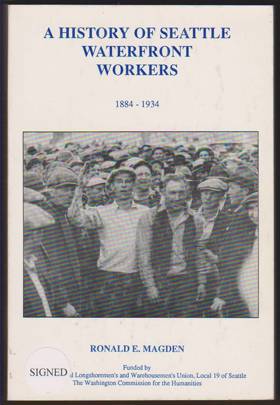
Authored by labor historian Ronald Magden, A History of Seattle Waterfront Workers, 1884–1934 chronicles the militant rise and turbulent struggles of the longshoremen and maritime laborers who built the commercial infrastructure of Puget Sound. The book details half a century of grueling port labor, dangerous working conditions, and fierce battles against powerful shipping cartels, culminating in the historic strikes that forged modern union solidarity. Drawing on extensive union archives, oral histories, and local records, the text captures how dockworkers transformed the Seattle waterfront into a crucible of radical American labor politics. A keen insight drawn from the work is how port labor served as the strategic nervous system of the early Pacific Northwest economy; by recognizing that maritime workers held the ultimate power to paralyze regional commerce, the waterfront became the frontline where organized labor successfully challenged corporate dominance during the height of the industrial era.
ix, 292 pages : illustrations ; 22 cm
CIRC [ 1 ]
Distant neighbors a comparative history of Seattle & Vancouver by Norbert MacDonald
Seattle in the 1880s by David M. Buerge, Stuart R. Grover , Historical Society of Seattle and King County (Publisher)
UniverCity the city within city, the story of the University District by Roy G. Nielsen
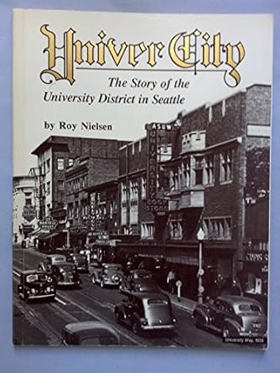
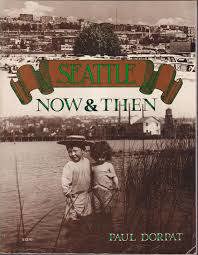
Seattle now & then by Paul Dorpat
Seattle Leschi diary by Wade Vaughn, Leschi Improvement Council
Highlights of Seattle's history illustrated by James R. Warren, William R. McCoy , Historical Society of Seattle and King County (Publisher)
Seattle's black Victorians, 1852-1901 by Esther Hall Mumford
"...looks at black life in 19th century Seattle from many angles. The combination of newspaper files, county records, and oral history gives a density to the historical picture." John Berry, Seattle Sun -- Back cover
235 pages : illustrations, facsimiles, map, portraits ; 22 cm
CIRC [ 0 ]
The Lake Washington story a pictorial history by Lucile Saunders McDonald
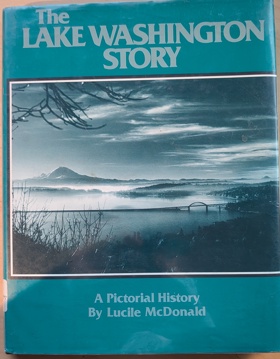
A physical and social history of Lake Washington, the 20 mile long body of water that forms the greater part of the eastern boundary of Seattle
160 pages : illustrations ; 28 cm
CIRC [ 1 ]
Profanity Hill by Irene Burns Miller
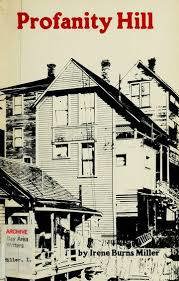
In Profanity Hill, Irene Burns Miller recounts her 1940 experience as the sole relocation supervisor tasked with clearing a decaying Seattle neighborhood to make way for the Yesler Terrace public housing project. The book details her daily interactions with the area's diverse and marginalized residents, including sex workers, immigrants, and impoverished families who were facing eviction despite the city having almost no rental vacancy. Through personal anecdotes, Miller highlights the stark power dynamics and emotional toll of dismantling a tightly knit, albeit crumbling, community in the name of urban progress. Ultimately, the narrative chronicles the complete displacement of the neighborhood's original inhabitants to pave the way for a newly constructed vision of public housing.
iv, 139 pages : illustrations ; 22 cm
CIRC [ 1 ]
Westward to Alki the story of David and Louisa Denny by Gordon R. Newell
Seattle, past to present by Roger Sale
Seattle, Past to Present, interprets the history of the foremost city in the Northwest and traces the implications of that history for the city's present and future. In the process Seattle emerges not as a rough, half-formed frontier town but as a soft city of streets and houses, middle-class in aspiration and achievement; Roger Sale asks how it came to be that way. Roger Sale’s Seattle, Past to Present has become a beloved reflection of Seattle’s history and its possible futures as imagined in 1976, when the book was first published. Drawing on demographic analysis, residential surveys, portraiture, and personal observation and reflection, Sale provides his take on what was most important in each of Seattle’s main periods, from the city’s founding, when settlers built a city great enough that the railroads eventually had to come; down to the post-Boeing Seattle of the 1970s, when the city was coming to terms with itself based on lessons from its past. Along the way, Sale touches on the economic diversity of late nineteenth-century Seattle that allowed it to grow; describes the major achievements of the first boom years in parks, boulevards, and neighborhoods of quiet elegance; and draws portraits of people like Vernon Parrington, Nellie Cornish, and Mark Tobey, who came to Seattle and flourished. The result is a powerful assessment of Seattle’s vitality, the result of old-timers and newcomers mixing both in harmony and in antagonism.
xx, 273 pages, 12 unnumbered leaves of plates : illustrations ; 24 cm
CIRC [ 0 ]
Pig-tail days in old Seattle by Sophie Frye Bass
ONLY SOME TWELVE DECADES have passed since the first small band of settlers dug clams along the beach and built their cabins at Alki Point where Seattle, Washington, had its beginning. When the men came from Alki, after sounding the harbor and finding good anchorage for ships, they staked their claims on February 15, 1852, built their cabins on tiny patches of land they had cleared in the forest, and then began the survey through the heavy timber for the future great city. Seattle's streets still carry many of the names of those first settlers-or names bestowed by them-and in the following pages are the historically true, and often amusing, stories of the early days of these streets-how they looked, who walked along them; all the friendly, gossipy beginnings, recalled by the granddaughter of Arthur Armstrong Denny, founder and surveyor of the city.
[4], 191, [1] pages : illustrations, maps (on lining papers) ; 23 cm
CIRC [ 1 ]
Union Bay, the life of a city marsh by Harry Wentworth Higman, Earl J. Larrison , Edmund J. Sawyer (Illustrator)
When Seattle was a village by Sophie Frye Bass
Four wagons west the story of seattle by Roberta Frye Watt

Published in 1931 by Roberta Frye Watt—the granddaughter of city founder Arthur A. Denny—Four Wagons West: The Story of Seattle is a deeply nostalgic, familial hagiography chronicling the pioneer origins of the Pacific Northwest’s largest metropolis. The text traces the Denny Party’s grueling overland migration, their iconic 1851 landing at Alki Point, and the subsequent establishment of the first sawmills and civic institutions on Elliott Bay. Writing the city’s history as a cherished family heirloom, Watt relies heavily on pioneer diaries and ancestral lore, detailing the pioneers' paternalistic relationship with Chief Seattle and their defense of the settlement during the Puget Sound War of 1856. The book ultimately functions to cement the original white founding families as the undisputed moral and civic aristocracy of the region.
A keen insight drawn from the work is how the narrative weaponizes maternal pioneer nostalgia and domestic intimacy to sanitize the aggressive mechanics of urban colonial expansion. By framing the establishment of Seattle not as a calculated, capitalist enterprise of land speculation, but as a cozy, inevitable, and divinely guided family triumph, Watt successfully domesticates the violent dispossession of the Duwamish people. This historiographical maneuver effectively reduces Indigenous sovereignty to a romanticized backdrop, transforming figures like Chief Seattle into tragic, benevolent props who seemingly exist only to willingly bequeath the landscape to its "destined" white inheritors. Consequently, the text allows the city's pioneer elite to legally and morally absolve themselves of the ongoing, systemic erasure of the region's original inhabitants.
CIRC [ 1 ]
Related Online Resources
The National Archives at Seattle
We maintain and provide access to permanent records created by Federal agencies and courts in the following states: Alaska, Idaho, Oregon, Washington
WEB LINKSeattle Municipal Archives
The mission of the Archives is to support the goals of the City of Seattle and the citizens of the City by identifying, acquiring, arranging, describing, preserving, and making accessible - for the use of City agencies, scholars, students, and the general public - the records of enduring value created or received by City agencies and elected officials.
WEB LINKUniversity of Washington Library Digital Collections
This site features materials such as photographs, maps, newspapers, posters, reports and other media from the University of Washington Libraries (including Special Collections), University of Washington Faculty and Departments, and organizations that have participated in partner projects with the UW Libraries. The collections emphasize rare and unique materials. Other UW Libraries collections are UW Bothell Collections, UW Tacoma Collections, and UW Image Bank
WEB LINK
King County
- Adams
- Adelaide
- Adelaide
- City of Algona
- Alki
- Allentown
- Ames Lake
- Arcadia
- Ashwood
- Atkinson
- City of Auburn
- Avondale
- Bagley Junction
- Bandera
- Baring
- Barneston
- Bayne
- Bayne Junction
- Beacon Hill
- Beaumont
- Town of Beaux Arts Village
- City of Bellevue
- Belltown
- Belridge
- Benson Hill
- Berrydale
- Bethel Park
- Beverly Park
- Biloxi
- Birch
- Bitter Lake
- City of Black Diamond
- Blue Ridge
- Boddy
- Boise
- Boulevard Park
- Briarcliff
- Briarcrest
- Broadview
- Bryant
- Bryn Mawr
- Buenna
- City of Burien
- Burton
- Camelot
- Campton
- Carlton Park
- City of Carnation
- Cedar Falls
- Cedar Grove
- Cedar Mountain
- Cedar Park
- Cedarhurst
- Chautauqua
- Chelsea
- Cherokee Bay Park
- Christopher
- Clyde
- City of Clyde Hill
- Coal Creek
- Coalfield
- Columbia City
- Colvos
- Cottage Lake
- Cougar Hills
- Cove
- City of Covington
- Cowley
- Crossroads
- Cumberland
- Danville
- Day City (historical)
- Denny Creek
- Denny Regrade
- City of Des Moines
- Dilworth
- Dockton
- Dorre Don
- Dunlap
- Durham
- City of Duvall
- Duwamish
- East Hill
- East Renton Highlands
- East Seattle
- Eastland
- Echo Lake
- Edgewater (historical)
- Edgewick
- Elliott
- Ellisport
- Ellisville
- Endolyne
- City of Enumclaw
- Ernies Grove
- Evansville
- Evergreen
- Factoria
- Fairwood
- Fall City
- Fauntleroy
- City of Federal Way
- Feriton
- Fern Heath
- Firloch
- Five Corners
- Fortuna
- Foy
- Franklin
- Garcia
- Georgetown
- Glen Acres
- Glendale
- Green Lake
- Green River
- Gregory Heights
- Grotto
- Harbor Heights
- Harman Heights
- Hawthorne Hills
- Hazelwood
- Henrys
- High Point
- High Valley
- Highlands
- Highlands Park
- Highline
- Hillman City (historical)
- Hilltop
- Hobart
- Holly Park
- Hollywood
- Hollywood Hill
- Hongking (historical)
- Humphrey
- Town of Hunts Point
- Inglesea
- City of Issaquah
- Jovita
- Juanita
- Junction
- Kanaskat
- Kanaskat Junction
- Kangley
- Kenilworth
- City of Kenmore
- Kennydale
- City of Kent
- Kenwood
- Kerriston
- City of Kirkland
- Kitts Corner
- Klahanie
- Krain
- Kummer
- Lake Desire
- City of Lake Forest Park
- Lake Heights
- Lake Marcel
- Lake Morton
- Lake Park
- Lakeland
- Lakeridge
- Lakewood
- Lakota
- Landsburg
- Latona
- Latona (historical)
- Lavilla
- Lawton
- Lawtonwood
- Lemolo
- Lester
- Lisabeula
- Lowman Beach Park
- Luana Beach
- Lucerne
- Madrona
- Magnolia Beach
- Magnolia Bluff
- Manitou
- Mann
- Manzanita
- Maple Hills
- City of Maple Valley
- Maple Valley Heights
- Maplewood Heights
- Matthews Beach
- Maury
- May Creek
- Maywood
- McGilvara
- McMicken Heights
- McVan
- Meadowbrook
- City of Medina
- Mercer Heights
- City of Mercer Island
- Mercer Island Town
- Meridian
- Meridian Heights
- Metum
- Midlakes
- Mileta
- Miller River
- Mint Grove
- Mirror Lake
- Mirrormont
- Mirrormount Estates
- Montlake
- Moorland
- Moorlands
- Mount Baker
- Mount View
- Naco
- Nagrom
- Newaukum
- City of Newcastle
- Newport Hills
- Newport Shores
- Noble
- Nordrum (historical)
- City of Normandy Park
- North Beach
- City of North Bend
- North Broadway
- North College Park
- Northgate
- Northrup
- Novelty
- Olympic Hills
- One Hundred One Pines
- Orchard Grove
- Osceola
- Oskams Corner
- Overlake
- City of Pacific
- Page
- Palmer
- Palmer Junction
- Paramount Park
- Parkwood
- Phinney Ridge
- Pinehurst
- Pines
- Pleasant Hill
- Pontiac
- Portage
- Portage Bay
- Preston
- Raeco
- Ragnar
- Rainier Beach
- Rainier Valley
- Ravenna
- Ravensdale
- City of Redmond
- Redondo
- City of Renton
- Ridgecrest
- Riverbend
- Riverton
- Roanoke
- Rockdale
- Ronald
- Roosevelt
- Rose Hill
- Rosehilla
- Ross (historical)
- Roxbury Heights
- City of Sammamish
- Sand Point
- Seahurst
- City of SeaTac
- City of Seattle
- Selleck
- Seola Beach
- Seward Park
- Shawnee
- Shore Acres
- City of Shoreline
- Shorewood
- Town of Skykomish
- Skyway
- Snoose Junction
- City of Snoqualmie
- Snoqualmie Falls
- Snyders Corner
- Somerset
- South Park
- South Seattle
- Southern Heights
- Spring Beach
- Spring Beach
- Spring Glen
- Stampede
- Star Lake
- Stevens
- Stillwater
- Stuart
- Stuck
- Summerhurst
- Summit
- Sunnydale
- Sunset Village
- Tahlequah
- Tahoma
- Tamill
- Tanner
- The Highlands
- Thomas
- Timberlane
- Tokul
- Trude
- City of Tukwila
- University District
- University Village
- Upper Mill
- Upper Preston
- Van Asselt
- Vasa Park
- Vashon
- Vashon Heights
- Veazie
- Vermontville (historical)
- Victory Heights
- Wabash
- Wayne
- West Woodland
- White
- White Center
- Wilderness
- Willows
- Windermere
- City of Woodinville
- Woodridge
- Wynaco
- Town of Yarrow Point
- York
- Youngstown
- Zenith
Political Boundaries
Last updated: 2025-09-23