San Juan County County
The county was formed on October 31, 1873 from Whatcom County and is named for the San Juan Islands, which are in turn named for Juan Vicente de Güemes, 2nd Count of Revillagigedo, the Viceroy of New Spain. It is the only county in Washington not to have state highways.
Mapped Location
San Juan County: The mapped location is an approximation and should not be used for navigation or wayfinding.
Information
General information on San Juan County
- Feature Type: County
- County Seat: Town of Friday Harbor
- Established: Friday, October 31, 1873
Official, historical, colloquial and alternative toponyms for San Juan County
A brief list of names that this geographic feature has been named
| Name | Description |
|---|---|
| San Juan County | Official |
Origin Notes and History of San Juan County
References to San Juan County that document the origin of its place name

SAN JUAN COUNTY, named for one of the largest islands in Washington Sound, which should be known as San Juan Archipelago. Following the boundary treaty of 1846, a dispute arose between the British and American Governments for the possession of this group of islands, which dispute was settled by Emperor William I., of Germany, as arbitrator on October 21, 1872. On receiving information of that award the Territorial Legislature of Washington organized the archipelago into San Juan County on October 31, 1873.
Related Catalog Titles
A Bibliography for San Juan County, County
Mysterious San Juan Island by Joseph Reigel
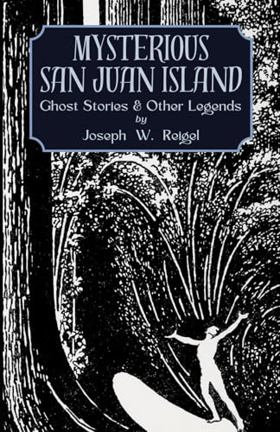
Few places could hope to rival the rich history of Washington's San Juan Island. From the famed Pig War to the secretive "kingdom" at Roche Harbor, the island has played host to countless remarkable stories. Like any other historical place, however, there are some tales that the textbooks tend to omit; tales like the terrifying "Cry Baby House," or the subterranean sasquatch said to stalk the woods around Cady Mountain. With the aid of articles, first-hand accounts, and period photographs, Mysterious San Juan Island attempts to document this strange side of San Juan history-and to ensure that the island's campfire stories remain suitably spooky for years to come.
CIRC [ 0 ]
The disputed islands Ordinary life in extraordinary times the San Juans, 1850-1874 by Boyd C. Pratt
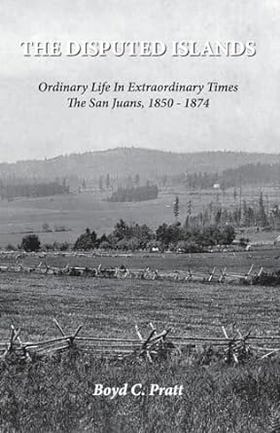
An American farmer shoots an English pig, sparking a war over an international boundary. Explore the disputed islands through the ordinary lives of the multi-ethnic, polyglot communities that lived in the San Juans during this conflict: how these islanders make their homes, work and socialize, and resolve their differences. (from the back cover)
475 pages : illustrations, maps ; 22 cm
CIRC [ 0 ]
Shipwrecks of the San Juans A History of Maritime Disaster in the San Juan Islands : A History of Maritime Disaster in the San JuanIslands by Joseph Reigel
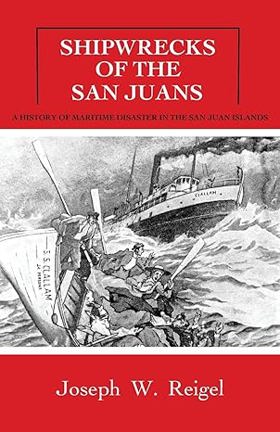
Mariners have long dreaded the labyrinth of the San Juan Islands. Bounded by the howling straits of Georgia, Rosario, Haro, and Juan de Fuca, the islands have proved the resting place of many an unlucky ship. With the aid of period accounts and historical photographs, Shipwrecks of the San Juans brings to life harrowing tales such as the infamous Clallam tragedy, the Bahada mystery, and the unsolved disappearance of the yacht Prelude . . . along with many more.
CIRC [ 0 ]
UNUSUAL ORCAS ISLAND ghost stories and other legends from the gem of the san juans by Joseph Reigel
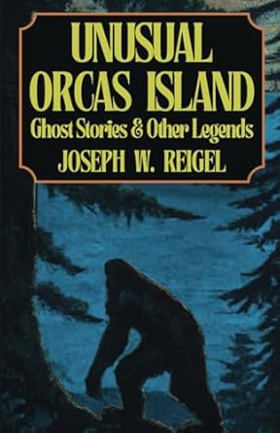
Orcas Island, Washington has long been celebrated for its rare beauty and colorful history—but for many visitors and locals alike, the feeling that something strange lurks beneath the surface is all too real. Does Sasquatch really stalk the remote woods? Did pirates bury a fortune on Turtleback Mountain? Is there a portal to a hidden world in Mount Constitution, and an Atlantean energy vortex in East Sound? With scores of articles, first-hand accounts, and historical photographs, Unusual Orcas Island attempts to shed light on these legends, and to uncover others that have never been collected before.
CIRC [ 0 ]
Maritime names of Washington by Richard W. Blumenthal
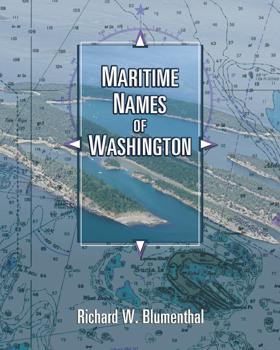
Maritime Names of Washington is a wonderful companion if you are a boating enthusiast or simply curious about Washington’s maritime history. This book is a scholarly study on the origins of place names for our coastal and inland waters. It covers every name that appears on current nautical charts, from the Pacific Coast to the Strait of Juan de Fuca, the San Juans, and Puget Sound from Port Townsend to Olympia. It includes every named island, bay, point, inlet, pass, harbor, rock, channel, strait, canal, peninsula, sound, and shoal. The book also features many local and historical names that are not shown on the charts. The manuscript generally identifies the individual who named the place, when, why, and for whom. It also identifies the chart where the name first appeared and the early settlement history of many places. The manuscript is richly annotated and uses many quotes from the observations of our earliest explorers to give readers a glimpse of what Puget Sound country looked like 200+ years ago. Each of our early explorations is discussed in detail as they relate to individual place names. The book contains 170 pictures and 44 historical nautical charts from 1790 to 1900 that show many of the names
ix, 501 pages : illustrations, maps, charts ; 26 cm
CIRC [ 1 ]
On island time a traveler's atlas : illustrated adventures on & around the islands of Washington & British Columbia by Chandler O'Leary
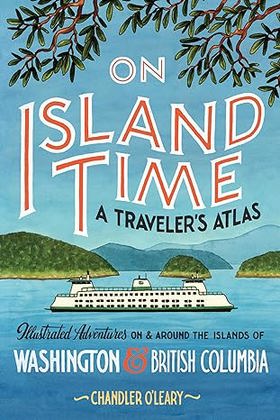
Dream of escaping to an island, for the slower pace and stunning views? An illustrated love letter to the Pacific Northwest's iconic islands--focusing on Puget Sound, the San Juans, and Canada's Gulf Islands and Vancouver Island--this guide charms and educates travelers, locals, and armchair adventurers alike. Kick back, relax, and get On Island Time! This quirky illustrated travel guide showcases the hidden delights, natural wonders, and singular history of Washington and British Columbia's islands, from the author of bestselling The Best Coast, Illustrated Adventures Along the West Coast Historic Highways
xi, 195 pages : color illustrations, color maps ; 27 cm
CIRC [ 1 ]
The Tower on Top of Mount Constitution by Rolf Eriksen
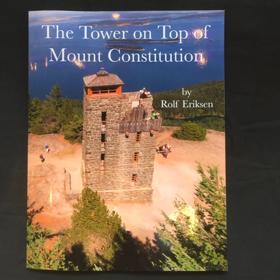
Mount Constitution is a dramatic mountain crowning Orcas Island in the central Salish Sea. On the very tip of the mountain is a 60 foot Medieval stone tower. From its dramatic vantage point it looks south beyond Mount Rainer and the Olympic Peninsula, east to Mount Baker and the Cascades, west over Vancouver Island, and North beyond the city of Vancouver and the southern ranges of Canada. The tower was built in the Great Depression by the Civilian Conservation Corps (CCC) when young men relocated to camps across the United States and built things. Many useful and many romantic ideals, often both. The CCC built a beautiful romantic tower in a stunning location on the top of a mountain on an Emerald Isle in the Salish Sea. That tower still stands proud today and hosts a million visitors a year. Some visit it regularly like a secular church. Rolf Eriksen has been intimately involved with Orcas Island, Mount Constitution and the CCC tower over many years since the 1950’s. He has rebuilt parts of it and surveys it with a loving eye every week. The tower and that mountain are a part of Rolf and he is a part of them. This book is Rolf ’s story of the tower and a scrapbook of collected images.
94 pages : illustrations (some color) ; 22 cm
CIRC [ 0 ]
Island fishing history and seascape of marine harvesting in the San Juan Islands amid the Salish Sea by Boyd C. Pratt
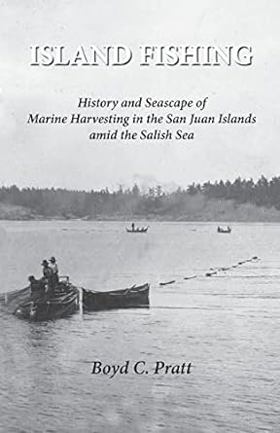
The San Juan Islands, in the heart of the Salish Sea, have been a fishing destination since time immemorial. From Coast Salish reef netting and tideland harvesting to the era of fish traps, purse seining, and gill netting, follow the many communities of fishers and their catches to understand the present-day seascape of the San Juan Archipelago. (from the back cover)
ix, 390 pages : illustrations, maps ; 22 cm
CIRC [ 1 ]
Shaw Island Earliest Known History to 1994 by Dorothy Powell, Fran Hilen
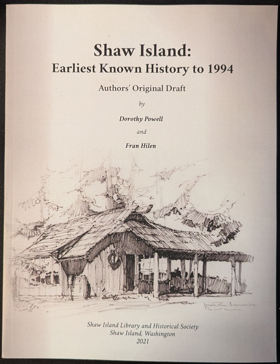
Shaw Island is the smallest of the ferry-served islands in the San Juan Archipelago of Washington State. It boasts a store, a school, a community building, and a wonderful, private, volunteer-run library and museum. The Shaw Island Library and Historical Society was founded in 1966. A year later, two one-acre lots were donated for a building site and the original logs of a homestead cabin were donated to serve as the future Shaw Island Museum. Many generous donations from island volunteers, families, friends, and institutions formed a collection that continues to grow, preserving the heritage of this unique island community.In 1994 Fran Hilen was serving as Curator when Dorothy Powell volunteered as Librarian for the Shaw Island Library and Historical Society. Quietly, they decided to collaborate, writing a remarkable book about the history of Shaw Island beginning in pre-history, through the time of the early settlers, to their present day in the mid-1990's. In the original introduction, the authors invite the community to "add to the history for present and future residents and friends of Shaw Island."The Historical Society, aided by a dedicated team of Shaw Island volunteers, have taken Dorothy and Fran at their word and have supplemented their text with more than 600 historic photos, maps, historic documents, and newspaper clippings. Biographies and quotes from past Shaw Islanders, some of whom left behind prolific daily journals, give us insight into events and a past way of life.
166 pages, photos
CIRC [ 1 ]
Patos Island Lighthouse by Edrie Vinson , Terri Vinson
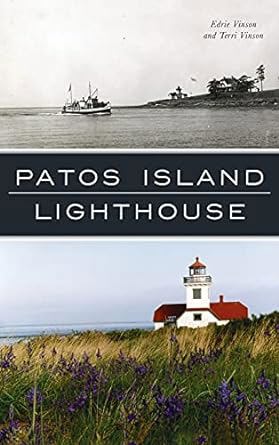
Since 1893, a light has been shining from Patos Island, the northernmost island in Puget Sound. Built to guide ships through treacherous waters, the lighthouse was also a happy home for many, including Edward Durgan and his family in the early 1900s. Boundary waters smugglers and rumrunners once visited the island to stash their contraband, and it was a front-line guard for the nation during World War II. Manned for eighty-one years by the U.S. government, the light was automated in 1974 and is now maintained by the Coast Guard. Join authors Edrie Vinson and Terri Vinson, members of the Keepers of the Patos Light, as they explore the history of this unique Washington landmark.
144 pages : illustrations, maps ; 23 cm
CIRC [ 1 ]
Island farming history and landscape of agriculture in the San Juan Islands by Boyd C. Pratt
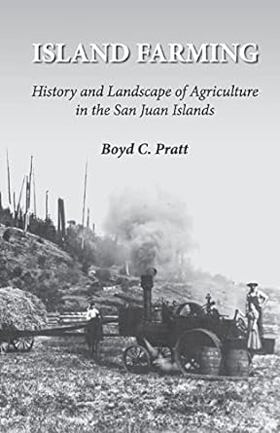
A free-ranging pig that caused an international war; a year's crop of ginseng that paid off a mortgage; and a breachy cow that led to a bloody murder. Farming in the San Juan Islands has always presented challenges and opportunities. From Coast Salish camas cultivation through homesteading to commercial farming, explore the islands' rich agricultural history in the landscape and farms of today. -- from publisher's description
vi, 222 pages : illustrations, maps ; 22 cm
CIRC [ 1 ]
Lime quarrying and limemaking in the San Juan Islands by Boyd C. Pratt
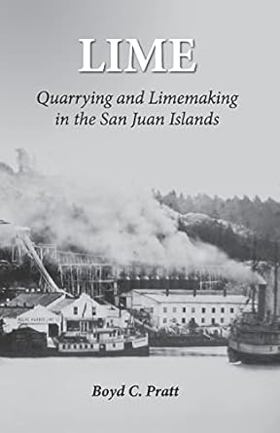
Formed through eons of geologic time and sculpted by glaciers, the limestone deposits along the islands' shores provided the essential ingredient for the block and mortar that built and rebuilt the West Coast's major cities. Read all about the islands' economic booms and busts, dramatic changes to the landscape, bloody murder, contentious lawsuits, and deadly shipwrecks.
53 pages : illustrations, maps ; 22 cm
CIRC [ 1 ]
Geology of the San Juan Islands by Edwin H. Brown
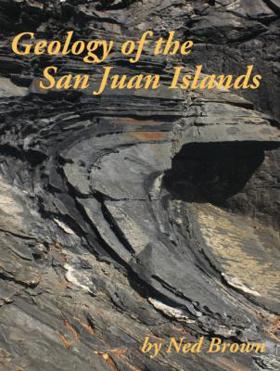
Nestled in the heart of the Salish Sea lie the picturesque San Juan Islands, an archipelago molded by eons of tectonic and glacial activity. Over the course of his nearly five-decade career, WWU geology professor Ned Brown has led countless research teams to decode this complex terrestrial heritage. In Geology of the San Juan Islands, Brown provides detailed, approachable, full color photos and diagrams to illuminate the complexities of these iconic islands. Author Ned Brown is an Emeritus Professor of geology at Western Washington University. He was raised in Minnesota, and went on to receive higher education at Dartmouth College, University of Otago, and U.C. Berkeley. He came to Bellingham in 1966, attracted by the landscape and mountain-building geology. In his nearly five-decade career, Ned, together with students, traversed and sampled much of the bedrock in the Cascades, San Juan Islands, and southern British Columbia Coast Mountains. This lifetime work is the basis for numerous student theses, and professional reports.
99 pages : illustrations (chiefly color), maps ; 28 cm
CIRC [ 1 ]
The master love, latitude, longitude & laughter by Jan Ferris Koltun, Ferris family
This is about my father's mastery of everything that makes life worthwhile: ships, boats, airplanes, families, oceans, pets, and alcohol. Some of these he managed better than others. A master mariner whose unlimited licenses covered all oceans and any ship's tonnage, he learned to fly airplanes in order to land on docks next to his ship, tamed a kangaroo by playing the organ aboard his vessels, threw good parties and disastrous ones, sailed a 50-foot ketch from Fiji to Juneau, and made "good times" during most of his life, along with a notable failure. He was a Sunset Magazine Chef of the West. He also was a water witch, discovering that he could use dowsing sticks to discover water resources for his community on tiny Orcas Island, off the West Coast, where he treated his friends to cases of Scotch that he dumped overboard in the Strait of Georgia.
vi, 131 pages : illustrations, maps ; 23 cm
CIRC [ 0 ]
A sound defense military sites, lighthouses, and memorials of Puget Sound by Nancy L. McDaniel
"A Sound Defense" is a comprehensive description of military sites of Puget Sound. Military historical sites in the twelve counties (Whatcom, Skagit, Snohomish, San Juan, Island, King, Pierce, Thurston, Mason, Kitsap, Clallam and Jefferson) are described with an emphasis on the unique things which happened there. Over 150 pictures and maps are included. Nancy McDaniel, Colonel, USAF, MSC (Retired) is a Washington State native and brings a love of the area and combines that with a perspective on the contributions that the military has had on Western Washington. "A Sound Defense" describes blockhouses built during the Indian conflicts. It addresses "The Pig War" and the politics of the international relationships which helped establish the boundaries of the United States. Forts built to protect Puget Sound as a result of the decisions of the Endicott Board are described along with the personalities of the commanders and personnel who were assigned there. Long forgotten installations established to provide early warning of approaching enemy aircraft are prominent in this comprehensive book. Lighthouses throughout the area are highlighted with the inclusion of historical photos and stories of early lightkeepers. Most importantly, "A Sound Defense" recognizes the contributions of military personnel throughout the years by the inclusion of memorials and facilities dedicated to recognizing their service to the country.
xvi, 365 pages : illustrations, maps ; 23 cm
CIRC [ 1 ]
The history of Stuart Island by James Bergquist
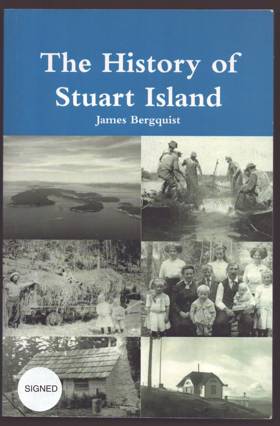
James Bergquist is telecommunications a living on Stuart Island. married to retired engineer He is Linda Ericksen Bergquist, a descendent of an early Stuart Island family. Jim and Linda have spent many years compiling historical information on Stuart Island and its people. Stuart Island is a favorite destination for boaters. They visit the marine state park and walk the roads to the lighthouse without experiencing the rich history of this remote island. This book documents the early settlers arriving on the island and their struggles to live in this remote corner of the United States. Stuart Islanders were farmers, fishermen, loggers, lighthouse keepers, and school teachers. Each has a story to tell. This book is a work in progress as there is much more history hidden in descendents' closets just waiting to be discovered. James Bergquist: August 22, 1943 - November 26, 2024
183 pages : illustrations ; 24 cm
CIRC [ 1 ]
Is it a house? archaeological excavations at English Camp, San Juan Island, Washington by Amanda K. Taylor, Julie K. Stein, Burke Museum of Natural History and Culture
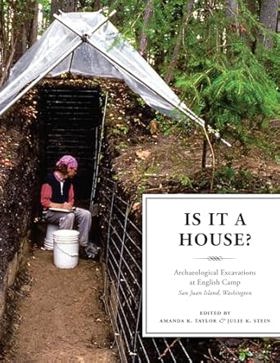
Prehistoric houses on the Northwest Coast were built from wood, often within piles of discarded shells, leaving little archaeological evidence from which to confirm their presence. Is It a House? uses multiple lines of evidence to investigate whether the U-shaped depression surrounded by shells at the English Camp site on San Juan Island was originally a house constructed by native peoples. Each chapter addresses a different kind of evidence, including artifacts, sediment, faunal remains, and stratigraphy. The quantitative and qualitative analyses used to examine the evidence reveal new directions and insights for identifying houses in similar contexts. The editors introduce the research in the context of current and past Gulf of Georgia (Coast Salish) archaeology, and end by synthesizing the research evidence.
x, 170 pages : illustrations, maps ; 28 cm.
CIRC [ 1 ]
San Juan Island by Mike Vouri , Julia Vouri, San Juan Historical Society
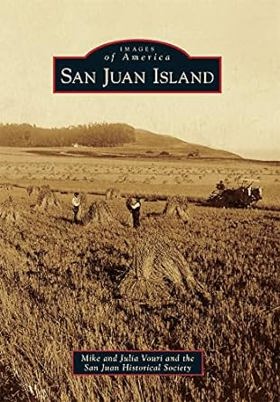
With sheltered harbors, open prairies, and secluded woodlands, San Juan Island has been a magnet for human habitation for thousands of years. Settlers and Indians sometimes intermarried, and many of their descendants remain to this day. San Juan Islanders of all generations have worked hard to preserve their home, thus maintaining a sense of place that is as evident today as it was when the first canoes came ashore
127 pages : illustrations, maps, portraits ; 24 cm.
CIRC [ 1 ]
Lopez Island by Susan Lehne Ferguson, Lopez Island Historical Society and Museum (Lopez Island, Wash)
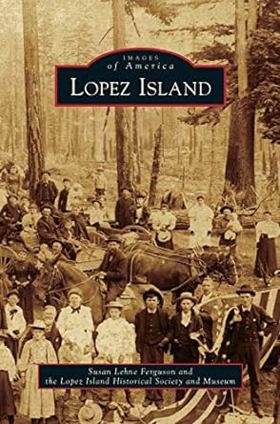
The story of Lopez Island is a story of community. Skilled, brave, generous people like Sampson Chadwick, Mother Brown, Captain Barlow, and Amelia Davis carved a spirited, nurturing community out of seaside wilderness. Homesteaders cleared forests, built farms, grew food, and raised large families, surviving then thriving together. The hamlets of Port Stanley, Richardson, and Lopez emerged, creating hubs with stores, post offices, and schools as well as thriving fishing, canning, and shipping industries. The community fostered education, music, writing, dances, chivarees, baseball, quilting, a birthday club, and grand Fourth of July celebrations. Living self-reliant lives while helping friends, neighbors, and newcomers, Lopezians created a unique community character that abides today
127 pages : chiefly illustrations, map ; 24 cm.
CIRC [ 1 ]
Roche Harbor by Richard Walker
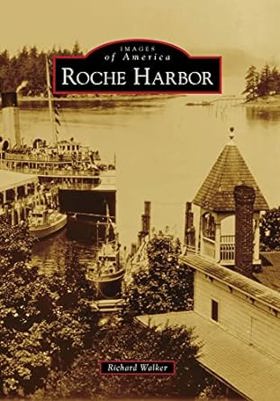
Working with Roche Harbor archivists as well as owners of private photo collections, Walker has selected more than 200 images and written text to illustrate the visual history of Roche Harbor and the people who have lived there
127 pages : chiefly illustrations ; 24 cm.
CIRC [ 1 ]
Friday Harbor by Mike Vouri , Julia Vouri , San Juan Historical Society
Friday Harbor, Washington was incorporated in 1909. As with many of the young state's small port towns, timber, salmon fishing, and farming fueled Friday Harbor's early economy. Life slowed and some left, but in being passed--until tourism caught on in the late 1970s--the town (and island) developed a unique sense of community that survives to this day
127 pages : illustrations, maps, portraits ; 24 cm.
CIRC [ 1 ]
Orcas Island by Orcas Island Historical Society, Orcas Island Historical Museum
Presents a selection of vintage images culled from the archives of the Orcas Island Historical Society and Museum and a short history of Orcas Island. Orcas Island, the largest of the 172 islands in San Juan County, lies in the Salish Sea north of Puget Sound
128 pages : illustrations, map ; 24 cm.
CIRC [ 1 ]
Historic Friday Harbor on foot. Tour one, Historic downtown by San Juan Historical Society
Published by the San Juan Historical Society, Historic Friday Harbor on Foot: Tour One, Historic Downtown serves as an engaging architectural and social walking guide through the core of San Juan Island's primary port town. The booklet outlines a structured route past surviving 19th- and early 20th-century commercial buildings, detailing their original uses as saloons, canneries, and mercantile shops that served the bustling maritime frontier. Through vintage photographs and concise structural histories, the text traces how a modest Coast Salish fishing camp and pioneer trading post evolved into a permanent island hub. A keen insight drawn from the guide is how localized historic walking tours function as physical acts of civic storytelling; by anchoring abstract regional heritage directly to surviving brick-and-mortar storefronts, the narrative transforms everyday streetscapes into tangible archives that invite modern visitors to inhabit the past.
40 unnumbered pages : illustrations, map ; 22 cm
CIRC [ 1 ]
Blakely Island in time by JoAnn Roe
Blakely Island is typical of many other islands in the San Juans and adjacent Gulf Islands of Canada. What is fascinating is that pioneers found them in their isolated maritime settings, made homes and schools, and developed a living for families. In the late 20th century, several of the islands such as Blakely have become sites for vacation homes, as well. The author tells a lively tale of the people, both pioneers and modern dwellers, who have dealt with the problems inherent in island life, especialy an island accessed only by air or sea. Read about the Spencer Mill, winter storms, humorous interactions with animals, pranks, early air services, and environmental and political issues--P. [4] of cover
v, 151 pages : illustrations ; 23 cm
CIRC [ 1 ]
A San Juan Islands journal by Jo Ann Ridley, Mary Randlett, Jo Ann Morse
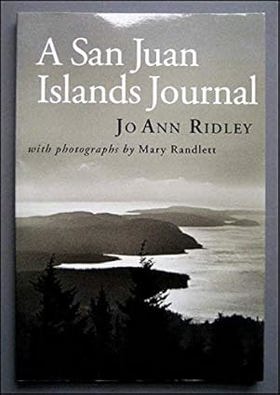
A collection of essays on the San Juan Islands by writer and former writer of San Juan Island articles for the Washington State Ferries publication Enetai.
viii, 85 pages : illustrations, map ; 24 cm
CIRC [ 0 ]
Outpost of empire the Royal Marines and the joint occupation of San Juan Island by Mike Vouri
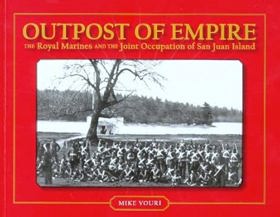
A history of the British Royal Marines twelve-year occupation of San Juan Island.
105 pages : illustrations, maps ; 18 x 23 cm
CIRC [ 1 ]
"Another day in paradise" island memories from the thirties and forties by James K. Long
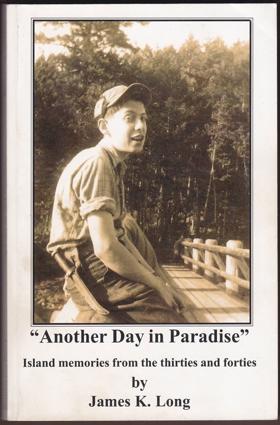
Childhood memories of Orcas Island in the 1930's and 1940s. Published in local editions, James K. Long’s “Another Day in Paradise”: Island Memories from the Thirties and Forties captures the nostalgic, slower-paced rhythms of rural island life during an era defined by isolation and self-reliance. Drawing on personal reminiscences and local lore, the book details the distinct daily routines of farming, community gatherings, and maritime travel in the Pacific Northwest before the arrival of modern bridges and high-speed ferries. Through vivid anecdotal storytelling, the author preserves a vanishing world where neighbors depended entirely on one another to weather economic hardship and geographic seclusion. A keen insight drawn from the work is how the ironic title reframes historical isolation; by contrasting the physical hardships of Depression-era island existence with the deep sense of communal belonging it forged, the narrative reveals that true paradise on the frontier was never about untouched luxury, but rather the profound human connection born from shared vulnerability.
62 p. : ill. ; 25 cm.
CIRC [ 1 ]
Exploring Coast Salish prehistory the archaeology of San Juan Island by Julie K. Stein
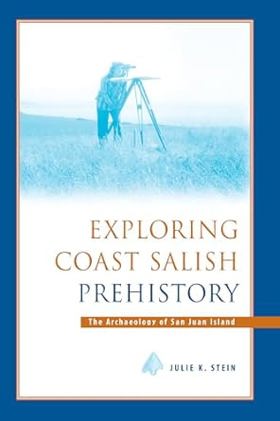
Every year thousands of people visit the San Juan Islands off the coast of Washington State. With a copy of Exploring Coast Salish Prehistory in hand, they will enjoy an introduction both to archaeology in general and to sites within San Juan Island National Historic Park. The Coast Salish people inhabited the San Juans for 5,000 years. One important site on San Juan Island, Cattle Point, was a summer camp where residents engaged in fishing and shellfish harvesting. Native peoples' recollections of activities there have been confirmed by physical evidence in the form of shell middens, fish bones, and other artifacts. Another San Juan site, English Camp, was a winter village site for 2,000 years. Structure remains provide insight into how people's lives and activities changed over time. Tools found at the site have allowed archaeologists to deduce that early residents ate camas bulbs and other plants, engaged in woodworking, weaving, fishing, and carving, and manufactured and used stone tools. Stein's discussions of the sites and archaeological practices are enhanced by numerous illustrations. Clear photos of different types of artifacts, topographical maps, and other images help the reader to understand how people lived in the San Juans thousands of years ago
ix, 126 pages : illustrations
CIRC [ 1 ]
A bit off center by Margaret Philbrick
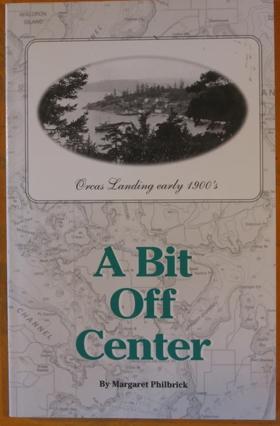
Authored by longtime resident and community historian Margaret Philbrick, A Bit Off Center presents a personal, highly localized history of Orcas Island in Washington's San Juan archipelago. Drawing on vintage photographs, maps, and oral recollections, the book chronicles the development of local landmarks, marine transport, small cottage industries, and the eccentric characters who anchored early island life. Through intimate vignettes of community hubs like the Orcas Hotel and Grindstone Harbor, the text captures the peculiar charm and texture of self-reliant island living. A keen insight drawn from the work is how insular communities derive their unique resilience from eccentricity; by documenting the colorful, non-conformist personalities that populated the margins of society, the narrative reveals that living "off center" was not just a geographic descriptor, but a vital cultural ethos that allowed isolated pioneers to thrive.
97 pages : illustrations, maps ; 21 cm
CIRC [ 1 ]
The Official Illustrated Orcas-American Dictionary and Phrase Book and Gazetteer by Mike & Maxim Hurwicz
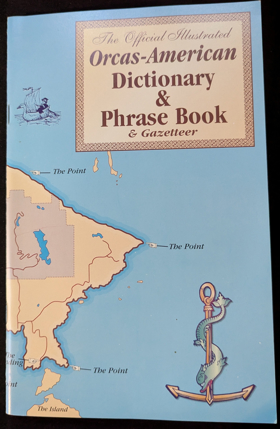
Authored by Mike and Maxim Hurwicz, The Official Illustrated Orcas-American Dictionary and Phrase Book and Gazetteer presents a witty, satirical lexicon capturing the distinct cultural quirks, local geography, and insider vernacular of Orcas Island in Washington's San Juan archipelago. Through humorous definitions, phrase guides, and custom illustrations, the book lampoons the everyday realities of ferry schedules, rainwater catchment systems, and the peculiar friction between lifelong islanders and seasonal newcomers. The text uses self-deprecating humor to decode the unwritten social codes of a fiercely independent, geographically isolated community. A keen insight drawn from the work is how regional dialects and specialized humor serve as cultural gatekeeping tools in rapidly gentrifying rural areas; by codifying local jargon into a satirical dictionary, island residents establish a linguistic boundary that playfully rebuffs outsiders while reinforcing a shared, resilient identity.
17 pages : portrait
CIRC [ 1 ]
Sketching in the San Juans--and a bit beyond sketches, paintings, comments by Barbara M. Meyer
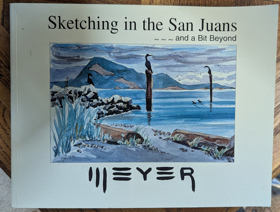
Hold on to your heart as you step into the world of Barbara Meyer's watercolor sketches. Immerse yourself in the tranquility and serenity of every brush stroke as she shares her keenness for empty, wind-swept beaches, new-mown hay and rough -wooded barns. Smile out loud at her humorous and ironic observations of those pesky island birds who insist on occupying every post and piling, especially if it says "No Trespassing". This collection, gently lifted from her sketchbooks, represents the unique observations of one woman's 25-year journey through the timeless space that is the San Juan Islands. Pick up this book as often as you wish, to find a new corner in which to visit and escape. Take a deep breath and inhale the atmosphere. By Barbara Meyer. 1996. Paper Jam Publishing
94 pages : illustrations (some color) ; 22 cm
CIRC [ 0 ]
Olga 125 years : memories and potlucks by Irene Barfoot O'Neill
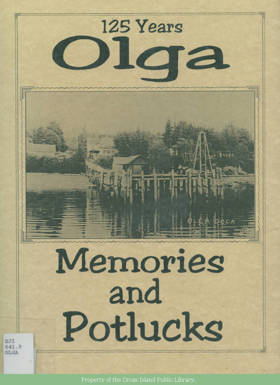
Authored by Irene Barfoot O'Neill, Olga 125 Years: Memories and Potlucks celebrates more than a century of community history in the historic waterfront settlement on Orcas Island, Washington. The book weaves together family recollections, archival records, and community traditions to trace how a pioneer farming and canning outpost evolved into a close-knit, enduring residential hamlet. Through these shared narratives and local recipes, the text highlights the social glue that has sustained generations of residents through changing economic tides. A keen insight drawn from the work is how communal food traditions and shared gatherings function as vital infrastructure in isolated island enclaves; by anchoring local history around the community potluck, the narrative reveals that shared meals served as the primary mechanism for bridging generational divides, welcoming newcomers, and preserving collective memory when formal institutions were scarce.
144 pages : illustrations ; 28 cm
CIRC [ 1 ]
Magic islands a treasure-trove of San Juan Islands lore by David Richardson
Since its first appearance in 1964 this delightful little book on the magic San Juan Islands has gone through several editions and numerous reprintings to become a real classic. Newly revised and up-to-date for today's generation of readers, this affectionate survey of the San Juans - replete with the legends and romance that make the Islands such a special place - is still the very best book of its kind. Magic Islands will add to the fun of every visitor and island-dweller. It contains descriptions of the San Juan as they are today, adds a bit of the Islands' history for flavor and hazards a peek at what the future may hold for this special place many call "paradise."
95 pages : illustrations, map ; 22 cm
CIRC [ 1 ]
Reflections mostly true stories and occasional poems by Shaw Island Writers Group (Wash) , Judith Laurel Harkness (Illustrator)
Authored by the Shaw Island Writers Group with illustrations by Judith Laurel Harkness, Reflections: Mostly True Stories and Occasional Poems captures the intimate, quirky rhythms of life on one of San Juan County's smallest and most isolated inhabited islands. The collection weaves together personal essays, local folklore, and evocative poetry penned by residents who navigate ferry schedules, one-lane dirt roads, and a profound sense of insular community. Through these unvarnished community chronicles, the text preserves the quiet humor and daily resilience required to thrive away from mainland conveniences. A keen insight drawn from the work is how collective island storytelling acts as an essential psychological buffer against isolation; by transforming everyday domestic mishaps and environmental encounters into shared literature, small island communities forge a resilient internal culture that celebrates their deliberate detachment from the fast-paced modern world.
115 pages : illustrations ; 28 cm
CIRC [ 1 ]
The Pig War and other experiences of William Peck soldier 1858-1862, U.S. Army Corps of Engineers : the journal of William A. Peck, Jr. by William A. Peck, C. Brewster Coulter, Bert Webber

Edited by C. Brewster Coulter and Bert Webber, The Pig War and Other Experiences of William Peck, Soldier 1858-1862 presents the remarkable personal journal of a U.S. Army engineer stationed in the Pacific Northwest during a tense geopolitical standoff. The book chronicles Private William A. Peck's daily life, military duties, and keen observations surrounding the infamous 1859 San Juan Island boundary dispute between the United States and Great Britain. Through these rare primary documents, the text captures the stark isolation, raw camp conditions, and quiet diplomacy that characterized an uneasy international borderlands garrison. A keen insight drawn from the work is how military journals humanize imperial brinkmanship; by filtering an international crisis through the mundane daily chores and reflective musings of an ordinary soldier, the narrative reveals that historical flashpoints are often lived not as grand historical dramas, but as tedious, freezing waits in remote wilderness outposts.
x, 236 pages : illustrations, maps ; 21 cm
CIRC [ 1 ]
Making history the people who shaped the San Juan Islands by Lucile Saunders McDonald
Harbor Press [Published date: 1990]. Soft cover, 214 pp. [Excerpt from rear cover] More than 1.5 million people ride the ferry each year to the San Juan Islands. Thousands more visit the archipelago by private boat or plane. All agree the San Juans are a national treasure. Stunningly beautiful, the islands have become a special place to live and visit. How did they become what they are? Who were the first settlers whose decisions shape today? What about the soldiers, the Indians, the smugglers, the pioneer families? Lucile S. McDonaId, one of Washington's most-honored historians, explores the earliest days in the islands and captures the essence of the island spirit that lives today. For those who love the islands, Making History: The People Who Shaped the San Juan Islands is a delightful, fast-paced and fascinating adventure.
214 pages : illustrations, maps ; 23 cm
CIRC [ 1 ]
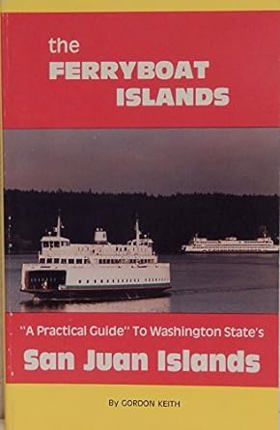
Pig War islands the San Juans of Northwest Washington by David Richardson
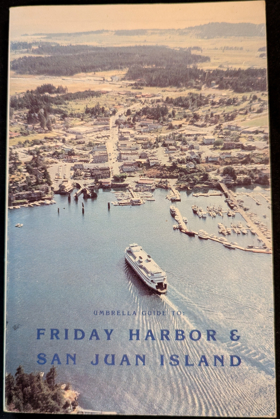
Umbrella guide to Friday Harbor & San Juan Island by Jerome K. Miller
San Juan the powder-keg island : the settlers' own stories by Jo Bailey, Al Cummings , Beach Combers, Inc (Publisher)
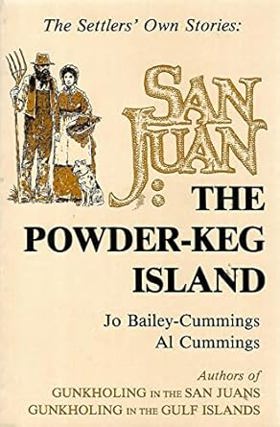
This book tells the history of San Juan Island mostly through the diaries and letters of the original settlers plus newspaper accounts of various newsworthy events that happened on the island.
x, 194 pages : illustrations, portraits ; 22 cm
CIRC [ 1 ]
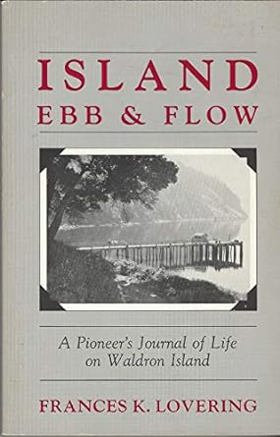
Island ebb & flow a pioneer's journal of life on Waldron Island by Frances K. Lovering
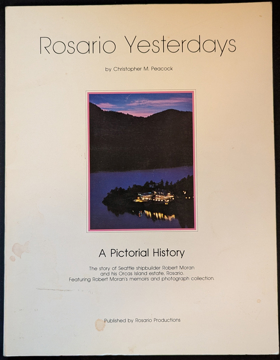
Rosario yesterdays a pictorial history by Christopher M. Peacock, Robert Moran
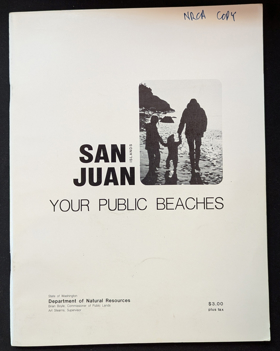
Your public beaches, San Juan Islands by Washington (State). Department of Natural Resources
Faith, food, and fond memories 1884-1984 by Orcas Island Community Church

100 days in the San Juans a 1946 voyage through the San Juan Islands by June Burn, Theresa Morrow, Nancy Prindle
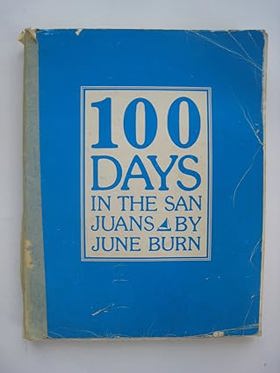
June Burn, born Inez Chandler Harris (1893-1969), began her writing career in 1917 for McCall's. In 1919 she married Farrar Burn (1888-1974), and over the next fifty years they traveled extensively around the United States. They raised their two sons North (1921-1980) and South (1924-1994) in Washington's San Juan Islands. Burn's 1941 autobiography "Living High: An Unconventional Autobiography," documents much of her early life story, particularly their time on Waldron Island.
163 pages : illustrations, map, portraits ; 27 cm
CIRC [ 1 ]
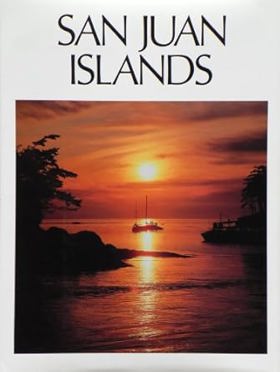
San Juan Islands by Ed Cooper, Ruth Kirk
Draft environmental impact statement for Madrona Point, Eastsound, Washington July 1982 by San Juan County (Wash)., Northwest Building Corporation
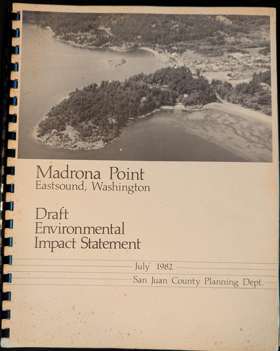
Platting of a 29.67 acre subdivision on Madrona Point, adjacent to the unincorporated town of Eastsound, into eleven single family lots (approx. 9 acres) five tracts for multi-family housing (approx. 3-1/2 acres) to contain 30 dwelling units in four- and five-unit buildings, and two larger tracts for future development subject to binding site plan approval (approx. 10-3/4 acres), intended for 61 multi-family dwellings in two- and four-unit buildings. In addition, four community recreation tracts will be established. On one of the community tracts a small caretaker's residence would be constructed, bringing the total of proposed residential units to 103.
241 pages : illustrations, maps ; 28 cm
CIRC [ 1 ]
Voices from the islands true stories about Washington State's fabulous San Juan Islands and those who inhabit them by Gordon Keith
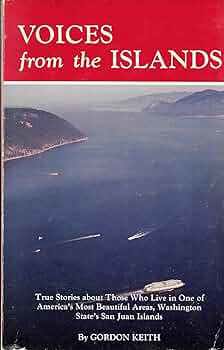
'Voices from the Islands' is must reading for anyone who has ever secretly or openly expressed a desire to live on a small island accessible only by boat or plane. In this potpourri of island stories, articles and interviews with old-timers as well as new-comers, you will meet such diverse individuals as Little Wolf, the Stuart Island Indian who was ‘raised with the wolves’; and a cartoonist who moved to an island to retire, but is presently syndicating his own cartoons nationally. You’ll meet an old-time individualist named Roger Purdue, who refused to let Orcas Island’s volunteer Fire Fighters on the roof of his house when the chimney burst into flames, because he didn’t want them walking around on his roof. There is also an interview with a former Hollywood script writer who gave up his lucrative assignments and moved to an island to live closer to nature. On the lighter side, there is an account of some Islanders who dumped an entire shipment of Seattle Post Intelligencers into the bay because of an article calling their town ‘the armpit of the San Juans.’ And, you’ll enjoy reading about the residents of a small island community who got their dander up when a 42-foot, state-owned cabin cruiser went aground and was left with no one aboard. Outraged at what seemed sheer negligence by the state, several islanders towed the vessel to the Olga dock, intending to hold it for salvage. “How to Win a Political Campaign with the Help of Your Opponent” is a humorous incident from Henry Jackson’s early days as an aspiring senator. Besides the thirty-three articles and interviews - illustrated by more than fifty photographs—-the author tells why he moved to the San Juans and why it took him and his family seven years, after they had purchased their Orcas Island home, before they could move into it. Whether you read Voices from the Islands for an intimate look at island life, or just to while away a few pleasant hours, you will find your time well spent.
xvii, 278 pages : illustrations ; 22 cm
CIRC [ 1 ]
San Juan Papers by John N. Rupp
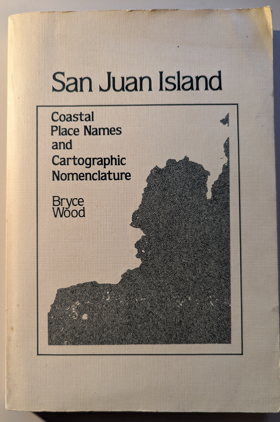
San Juan Island coastal place names and cartographic nomenclature by Bryce Wood, Washington State Historical Society
A walking tour of historic Roche Harbor by Lynette Evans
The James Francis Tulloch diary, 1875-1910 the true story of the ups and downs of James and Annie Tulloch and their nine children, all of whom were born and raised on Orcas Island in Washington State's San Juan Islands by James Francis Tulloch, Gordon Keith
A fascinating, humorous and sometimes sad account of the life and times of the Tullochs, one of the San Juan Islands' pioneer families who lived on Washington State's Orcas Island at the turn of the century. Tulloch writes about his 35 years spent on Orcas Island with a candor and vigor seldom encountered in such a diary. Photos. Map.
vii, 124 pages, 1 unnumbered leaf of plates : illustrations ; 23 cm
CIRC [ 1 ]
It came to pass in the San Juan Islands by Roderic Marble Olzendam, Gordon Keith
Oh Shaw! and other islands by Jo Ann Morse, Jo Ann Ridley
Limited edition prose and poetry book about Shaw Island which highlights watercolors by Rex Brandt, Joan Irving, and illustrator Malcolm Cameron.
38 pages : illustrations ; 23 cm
CIRC [ 1 ]
Postmarked Washington Island County, San Juan County by Guy Reed Ramsey
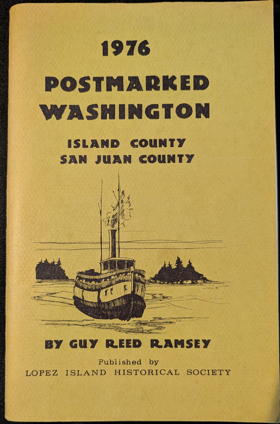
This volume is also a history of postal operations in these 2 counties.
62 pages : illustrations, facsimiles, maps ; 23 cm
CIRC [ 1 ]
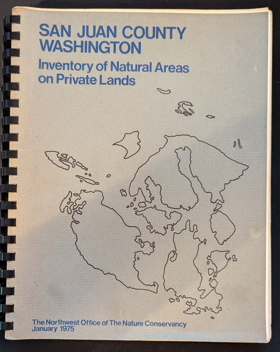
San Juan County, Washington, inventory of natural areas on private lands by Nature Conservancy (U.S.)., San Juan County (Wash). Planning Department
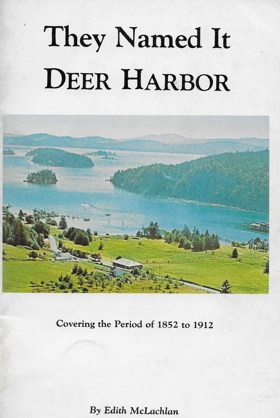
They named it Deer Harbor covering the period of 1852 to 1912 by Edith McLachlan, Washington State Library Rare Publications Collection
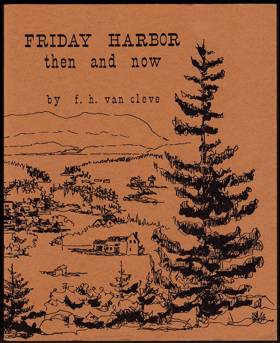
Friday Harbor, then and now by F. H. Van Cleve
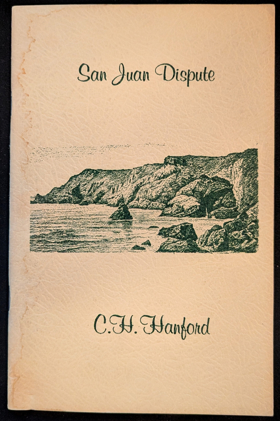
San Juan dispute by C. H. Hanford
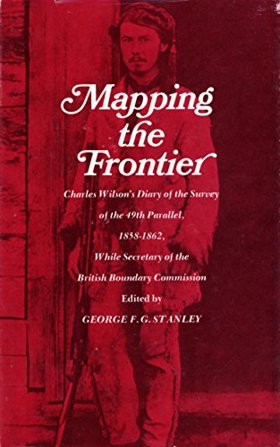
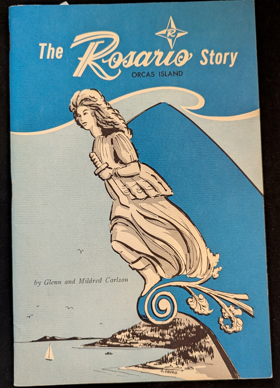
The Rosario story, Orcas Island by Glenn Carlson, Mildred Carlson
A brief history of Waldron Island by Charles H. Ludwig
HISTORY OF A SEASONAL CAMPING SITE OF THE LUMMI INDIANS. The second edition was published in 1972 in response to requests for copies of the original mimeographed first edition. The preface to the second edition contains some comments on the more recent history of the island and Frederick Marks, one of the very early settlers on Waldron.
44 pages map, table
CIRC [ 0 ]
Orcas, gem of the San Juans by Fred John Splitstone
Living high by June Burn
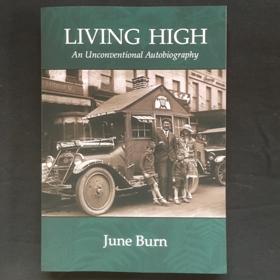
By June BurnCourage, gaiety, and a fresh approach to live are reflected in this "unconventional autobiography." It is a story of a twentieth-century pioneers as resourceful as ever they were in the days of the old frontier. June Burn and her husband Farrar determined to go their own sweet way, enjoying "first hand living" and not surrounding to the routines of a workday world. Through the years they had some high and glorious adventures, which included homesteading a "gumdrop" in the San Juan Islands, of the Pacific Northwest, teaching Eskimos near Siberia, and exploring the United States by donkey cart with a baby aboard. - Living High, 1958 edition book jacket
292 pages ; 23 cm
CIRC [ 1 ]
San Juan Islands, the Cronstadt of the Pacific by Archie W. Shiels
San Juan and secession possible relation to the War of the Rebellion by Granville O. Haller
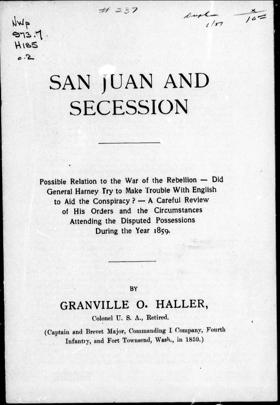
Published in 1896 by Major Granville O. Haller, this historical pamphlet re-examines the 1859 "Pig War" boundary dispute over San Juan Island between the United States and Great Britain. A keen insight drawn from the text is Haller's controversial thesis that the aggressive military escalations by Captain George Pickett and General William S. Harney were not merely localized bravado, but rather a deliberate conspiracy by Southern sympathizers to provoke a unifying national war with Britain to distract from the impending American Civil War. The author leverages his firsthand military experience during the crisis to reframe this bizarre frontier standoff as a high-stakes geopolitical gambit tied directly to the secessionist movement. Ultimately, the work transforms a seemingly comical regional squabble into a fascinating exploration of pre-Civil War political machinations in the Pacific Northwest.
15 pages ; 23 cm
ONLINE CIRC [ 1 ]
A history of the San Juan water boundary question, as affecting the division of territory between Great Britain and the United States by William Fitzwilliam Milton
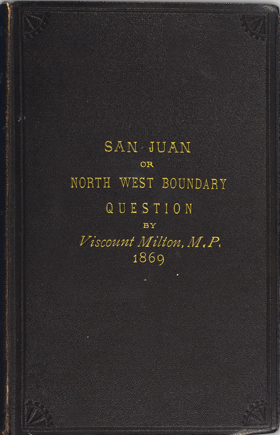
Published in 1869, Viscount William Fitzwilliam Milton’s treatise provides a detailed, staunchly British perspective on the diplomatic stalemate over the San Juan archipelago, a territorial dispute famously ignited by the 1859 "Pig War." The text meticulously dissects the geographic and legal ambiguities of the 1846 Oregon Treaty, which vaguely established the international water boundary through the "middle of the channel" separating Vancouver Island from the mainland. Milton forcefully argues that the boundary must follow the Rosario Strait rather than the Haro Strait, a cartographic interpretation that would have permanently placed San Juan, Lopez, and Orcas islands under the British Crown. A keen insight drawn from the volume is how Milton's exhaustive legal arguments inadvertently reveal the profound anxieties driving British imperial strategy in the Pacific Northwest. By framing the retention of the archipelago not merely as a matter of territorial pride but as an absolute naval necessity to protect the sea lanes to Victoria, the book illustrates how these local island channels and ferry routes briefly became the high-stakes geopolitical linchpin for controlling the entire Puget Sound.
446 pages : 2 folded maps ; 23 cm
ONLINE CIRC [ 1 ]
Related Online Resources
Island Histories: Stories of the San Juans
San Juans Explorer is a digital guide to the history, natural history, and culture of the San Juan Islands. A project of the Public History Program at Eastern Washington University, the geolocated stories on San Juans Explorer were created by student
WEB LINKCoast Salish Place Names of the San Juan Islands
An ongoing project of a present day look at historic Coast Salish locations throughout the San Juan Islands and Strait of Georgia compiled by the Samish Indian Nation
WEB LINK
San Juan County
- Argyle
- Beach Haven
- Buckhorn
- Camp Orkila
- Decatur
- Deer Harbor
- Doe Bay
- Dolphin
- Eastsound
- Town of Friday Harbor
- Islandale
- Lakedale
- Lopez
- Olga
- Orcas
- Port Stanley
- Prevost
- Richardson
- Roche Harbor
- Rosario
- Sea Acre
- Shaw Island
- Thatcher
- Waldron
- West Beach
- West Sound
- Yacht Haven
Political Boundaries
Last updated: 2025-09-23